Executing a major construction, industrial demolition, or full-scale commercial clear-out across Middlesex County requires a…
New Jersey stands as the logistical beating heart of the North American supply chain. Situated within a single day’s drive of tens of millions of consumers, the Garden State hosts massive fulfillment corridors, industrial parks, and distribution nodes. From the hyper-dense industrial spans along the New Jersey Turnpike to logistics clusters across Central and South Jersey, thousands of warehouses operate around the clock.
Yet, managing a high-throughput fulfillment center or warehouse involves far more than simply moving freight from dock to dock. The sheer velocity of modern e-commerce and retail distribution generates unprecedented volumes of commercial waste and recyclable debris every day. Broken wooden pallets, continuous flows of corrugated cardboard, stretch wrap, damaged inventory, and secondary packaging can quickly overwhelm loading bays, choke emergency exits, and stall warehouse operations.
To maintain maximum throughput, ensure regulatory compliance, and meet aggressive corporate sustainability mandates, facility managers require proactive waste infrastructure. Developing a tailored dumpster strategy designed specifically for high-capacity New Jersey warehouses is essential for lean, profitable operations.
The Waste Realities of New Jersey Warehousing
Modern warehousing operates on tight timelines and slim operational margins. When thousands of pallets arrive and depart each shift, the byproduct is an overwhelming stream of materials that must be sorted, contained, and removed instantly.
Industrial fulfillment facilities typically generate several distinct waste streams:
- Corrugated Cardboard (OCC): The single largest component of fulfillment waste, generated from incoming break-bulk shipments and outbound repackaging.
- Flexible Plastics & Stretch Wrap: Linear low-density polyethylene (LLDPE) film used to secure unit loads on pallets.
- Wood Debris: Broken, non-returnable wooden pallets, crates, and dunnage.
- General Solid Waste: Non-recyclable packaging materials, strapping, employee breakroom refuse, and sweepings.
- Damaged Goods & Bulk Items: Items crushed during transport or unsellable returns requiring secure, high-volume commercial disposal.
When these waste streams are mishandled, the consequences spread across the entire facility. Dock congestion slows down hostlers and yard trucks, cluttered aisles pose severe OSHA slip-and-trip hazards, and improper disposal practices lead to skyrocketing municipal waste surcharges. A structured commercial dumpster strategy converts waste management from an operational bottleneck into a seamless, automated background process.
Matching Container Types to Warehouse Requirements
Different waste streams demand different containment solutions. Deploying a single style of container across a 500,000-square-foot facility inevitably leads to inefficiencies, frequent overflows, or unnecessary hauling charges. Strategic logistics facilities utilize a combination of specialized containers.
Open-Top Roll-Off Dumpsters
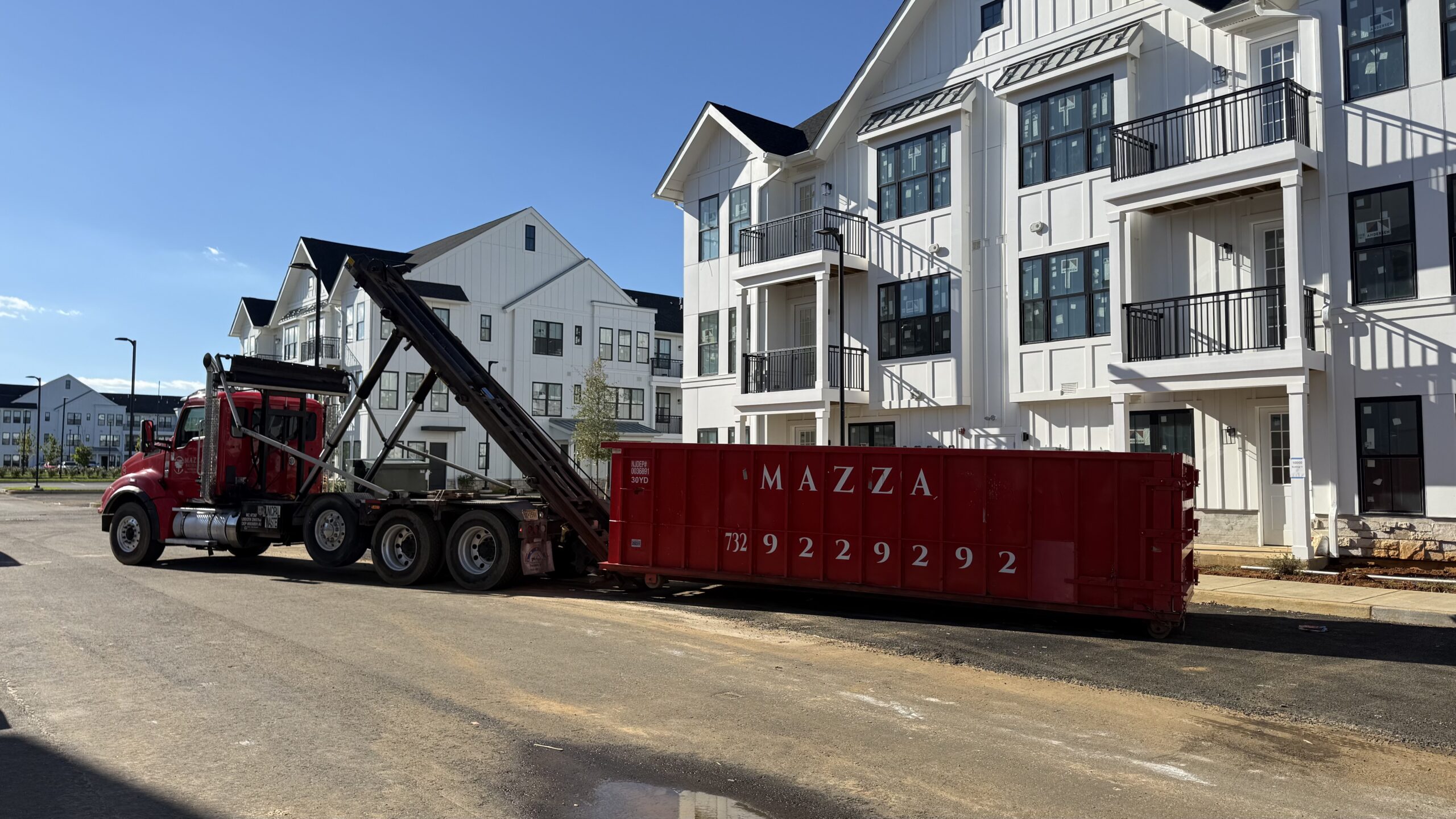
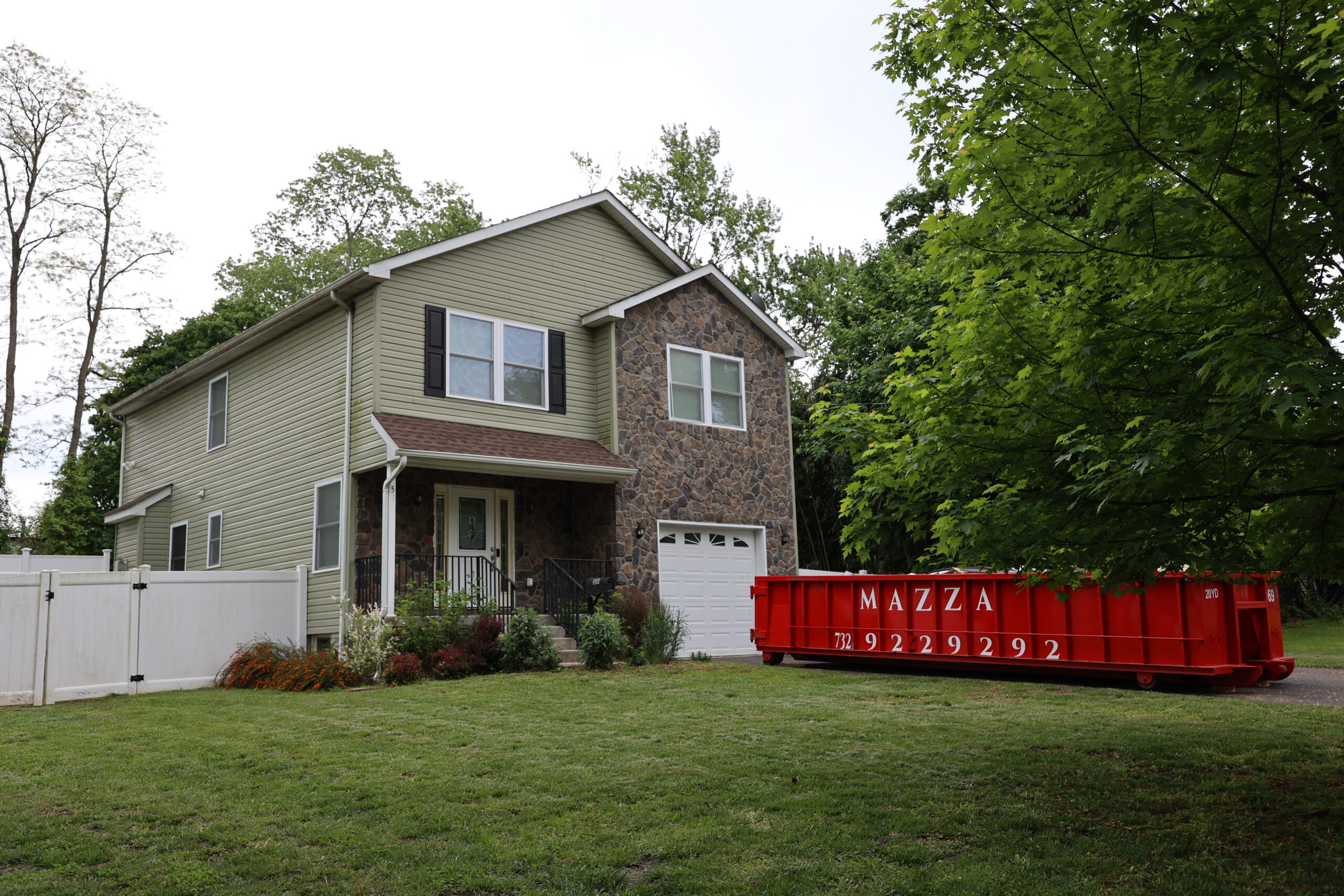
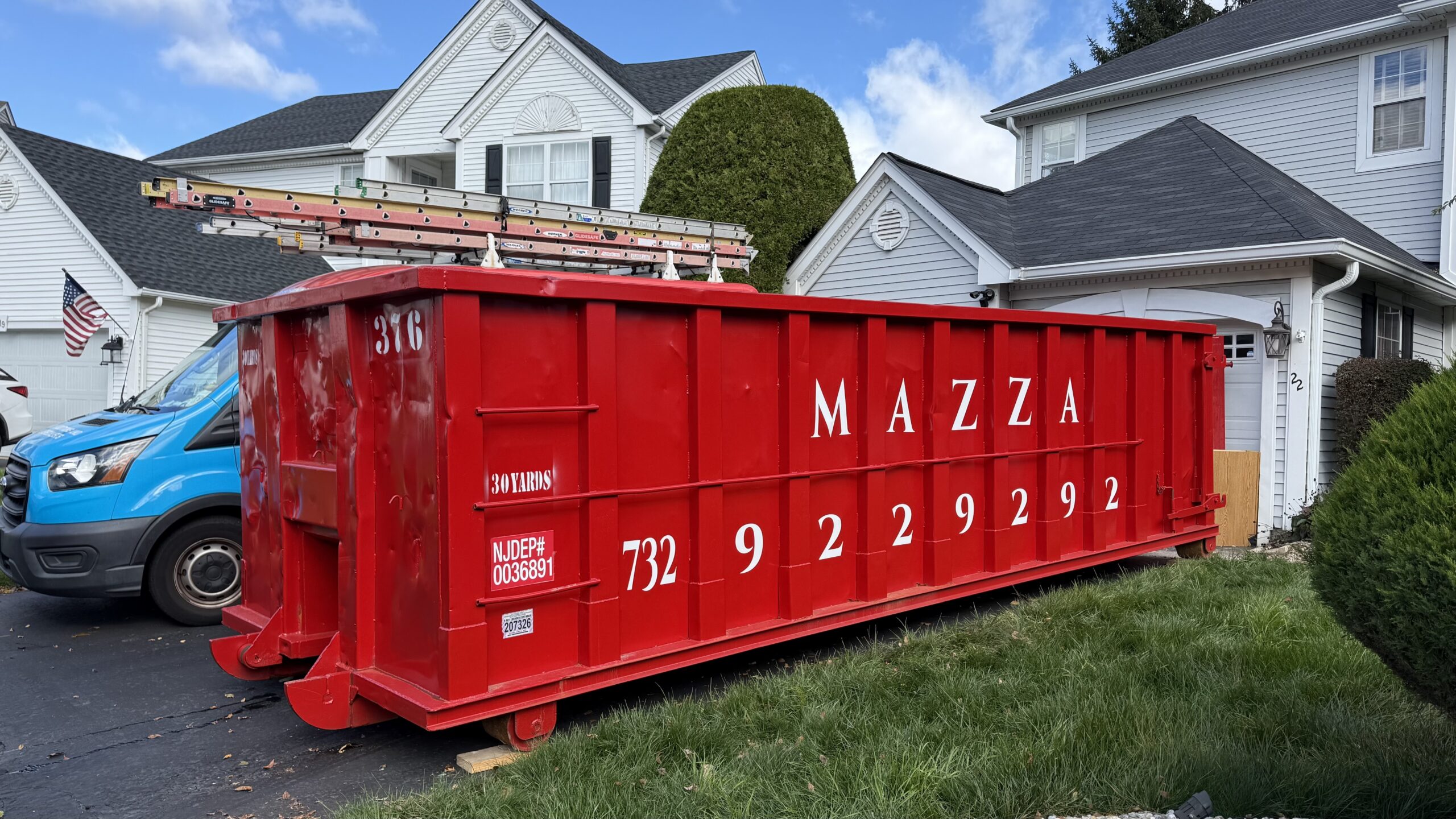
Heavy-duty roll-off containers serve as the backbone for high-volume, bulk waste removal. Typically deployed in 10, 20, or 30-yard capacities, these containers are designed to handle heavy, bulky, or irregular materials.
In a warehouse setting, 30-yard roll-off dumpsters are ideal for staging near timber break-down areas, pallet repair bays, or exterior yard cleanouts. They provide an unobstructed open top for easy overhead loading via forklifts equipped with rotators or manual heavy loading.
Self-Contained and Stationary Trash Compactors
For high-volume, continuous distribution centers, standard open-top dumpsters often require too many hauls to be cost-effective. Stationary and self-contained trash compactors drastically reduce haul frequency by compressing waste at ratios up to 4:1 or higher.
Stationary compactors are bolted directly to a warehouse dock door, allowing staff to toss dry waste, light packaging, or broken corrugated material directly into the hopper from inside the climate-controlled building. Self-contained units integrate the compactor and container into a leak-proof structure, making them the superior choice if the waste stream includes food processing residue, organic waste, or liquid-bearing packaging.
Commercial Front-Load Dumpsters
For facility breakrooms, administrative offices, maintenance shops, and daily light trash, front-load commercial dumpsters provide continuous, scheduled service. Ranging from 2 to 8 cubic yards, these units sit permanently in dedicated enclosure bays outside the facility, offering scheduled pickups that keep peripheral waste from mixing with industrial supply chain debris.
Optimizing Placement: Dock Integration and Yard Safety
In a busy New Jersey distribution center, site geography dictates operational success. Positioning dumpsters and waste equipment requires a careful balance between interior operational convenience and exterior truck yard logistics.
Traffic Flow and Yard Access
Roll-off containers and compactor receiver units must be accessible to haulers without disrupting incoming line-haul trucks, hostler tractors, or staging queues. Hauling vehicles require ample turning radiuses and overhead clearance away from power lines and building eaves. Locating dumpsters in obscure corners of the yard might save space, but if a waste haul blocks active loading docks during peak shift changes, facility efficiency suffers.
Interior Staging and Cross-Dock Flow
Internally, waste collection points should mimic lean manufacturing principles. Rather than requiring material handlers to drive forklifts across the entire warehouse floor to dump a hopper, establish micro-staging stations with tilt-trucks or gaylord boxes near high-generation areas, such as picking modules and packing lines. These smaller containers can then be consolidated into the main exterior roll-off or compactor at designated intervals.
Sustainability, LEED Goals, and Diversion Strategies
New Jersey maintains some of the nation’s strictest environmental regulations and recycling mandates. Furthermore, global corporate brands increasingly demand transparent Environmental, Social, and Governance (ESG) reporting from their logistics partners. Landfilling co-mingled warehouse waste is no longer just environmentally irresponsible; it is economically unsustainable.
Implementing a multi-dumpster waste diversion strategy allows warehouses to capture valuable scrap materials before they enter the municipal waste stream.
- Source Separation at the Source: Dedicating separate roll-off containers exclusively for clean scrap metal, clean wood, or baled film prevents contamination. Pure waste streams often qualify for reduced tipping fees or rebate credits.
- Single-Stream and Material Recovery Integration: Partnering with advanced processing facilities ensures that even co-mingled debris undergoes mechanical and manual sorting. Modern processing plants extract recyclable plastics, metals, and clean wood, converting non-recyclable organics or wood residues into beneficial biofuel.
- Regulatory Compliance: Proper handling of specialized waste—such as commercial tires, pallets, or electronic waste—ensures full compliance with New Jersey Department of Environmental Protection (NJDEP) guidelines, protecting facilities from severe regulatory fines.
Streamlining Operational Waste with Local Expertise
Navigating the fast-paced demands of New Jersey’s supply chain corridors requires a waste management partner that understands local industrial infrastructure. Whether managing a rapid peak-season volume spike or establishing a long-term sustainability program, facilities need dependable dumpster delivery, transparent schedules, and high-capacity processing facilities. Commercial operations can optimize their waste footprint, schedule flexible haul services, and secure dependable equipment directly through Mazza Recycling roll off dumpsters.
By auditing current waste volumes, selecting appropriate container sizes, and integrating strategic placement practices, warehouse operators across New Jersey can turn waste management into a streamlined, cost-effective asset that keeps supply chains moving forward smoothly.
Ready to book your dumpster rental? Follow the link here:
Related Posts