For decades, the primary goal of waste management has been disposal. Get the waste off…
As waste volumes continue to grow, traditional recycling methods are no longer enough to meet sustainability goals. In New Jersey, advanced technology is transforming how waste is processed, sorted, and recycled. These innovations are improving efficiency, increasing material recovery, and supporting environmental compliance across industries.
Technology has become a critical driver in the evolution of waste recycling throughout the state.
Challenges with Traditional Recycling Methods
Conventional recycling operations often rely heavily on manual sorting and basic mechanical processes. These limitations can result in:
- Lower material recovery rates
- Higher contamination levels
- Increased labor demands
- Reduced processing efficiency
As recycling expectations increase, these challenges highlight the need for more advanced solutions.
How Technology Is Improving Recycling Outcomes
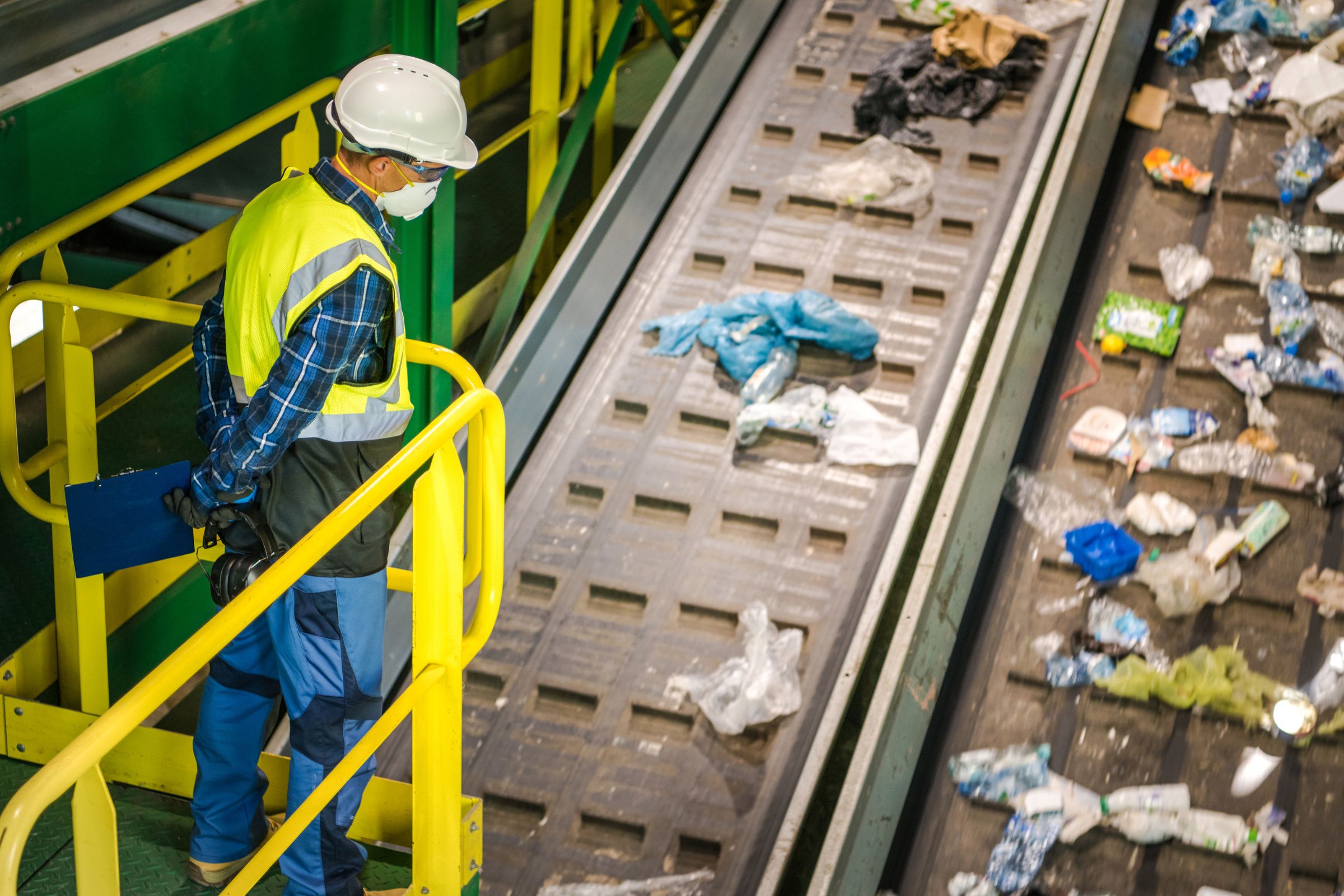
Modern recycling facilities now use advanced systems designed to improve accuracy and efficiency. These technologies allow for better separation of materials and higher-quality recycling outputs.
Key improvements include:
- Automated sorting systems
- Enhanced material identification
- Consistent recovery rates
- Reduced contamination
Technology-driven processes allow recycling facilities to manage higher volumes without sacrificing quality.
Advanced Sorting Systems and Material Recovery
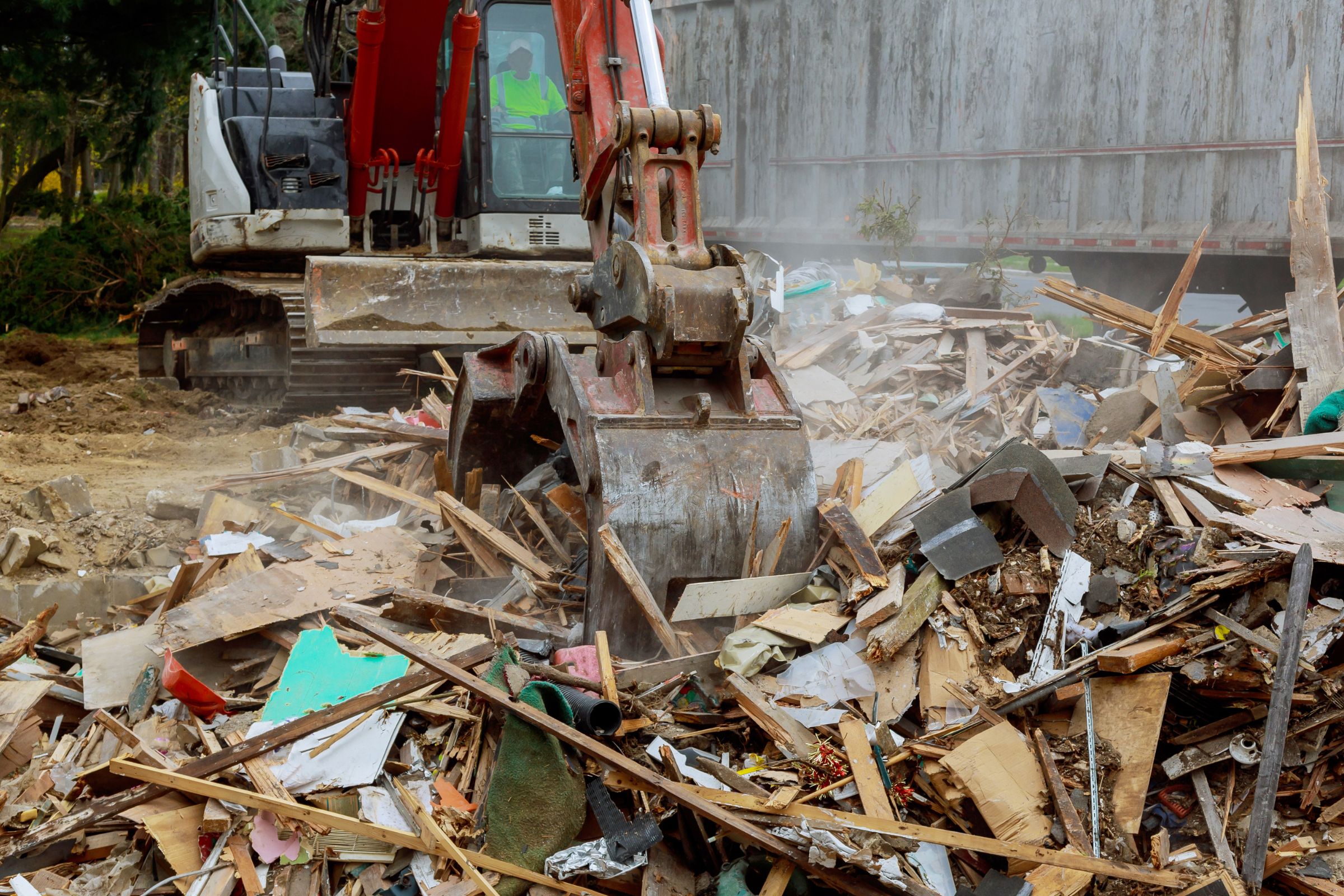
Advanced sorting systems are especially valuable for handling mixed waste streams such as construction and demolition debris. These systems improve the recovery of recyclable materials including wood, metal, concrete, and plastics.
By increasing diversion rates, technology helps reduce landfill reliance and supports sustainable waste management goals across New Jersey.
Technology and Environmental Compliance
New Jersey has strict environmental regulations governing waste disposal and recycling. Advanced recycling technology helps facilities meet these requirements by:
- Improving documentation accuracy
- Supporting regulatory compliance
- Enhancing environmental reporting
- Reducing long-term environmental impact
Technology ensures that recycling operations align with both current regulations and future sustainability standards.
The Future of Waste Recycling in New Jersey
As sustainability expectations continue to rise, investment in recycling technology will remain essential. Advanced systems allow facilities to scale operations, support green building initiatives, and meet the needs of contractors, municipalities, and businesses statewide.
Technology-driven recycling is shaping a cleaner, more efficient future for waste management in New Jersey.
Technology has become a cornerstone of modern waste recycling. By improving sorting accuracy, increasing material recovery, and supporting environmental compliance, advanced systems are redefining how recycling is done across New Jersey.
Facilities that invest in innovation are better positioned to support sustainable development and long-term environmental responsibility.
Frequently Asked Questions
How does technology improve recycling accuracy?
Automated systems reduce human error and improve material identification and separation.
Does advanced recycling technology reduce landfill waste?
Yes. Higher recovery rates mean more materials are recycled instead of being sent to landfills.
Is recycling technology scalable for large projects?
Modern systems are designed to handle high volumes, making them suitable for large commercial and construction projects.
Related Posts