New Jersey stands as the logistical beating heart of the North American supply chain. Situated…
Managing a commercial job site requires a masterclass in logistics. Between balancing budgets, coordinating subcontractors, and meeting tight deadlines, project managers have their hands full. Amid all these moving parts, one crucial element is frequently underestimated: waste management.
Failing to plan for the mountains of debris generated during a commercial project can stall progress, create safety hazards, and balloon your overhead costs. That is why securing a reliable roll-off dumpster rental is one of the smartest operational decisions you can make before a project begins.
But how do you know when a standard waste plan isn’t enough? Certain commercial jobs generate unique, high-volume, or heavily regulated debris that absolutely demands a dedicated disposal strategy.
Let’s break down the top commercial projects that require a roll-off dumpster rental to keep your site safe, compliant, and running on schedule.
1. Retail Build-Outs and Commercial Retrofits
When a new tenant takes over a commercial space—whether it is a trendy boutique, a restaurant, or a modern corporate office—the existing interior rarely fits their vision. Retail build-outs and tenant improvements (TI) always require stripping away old infrastructure before building the new design.
During the demolition phase, crews tear out drywall, flooring, dropped ceilings, old carpeting, and custom millwork. Once construction begins, a completely new set of waste fills the space, including drywall off-cuts, framing scrap, and massive amounts of cardboard and plastic packaging from new fixtures and equipment.
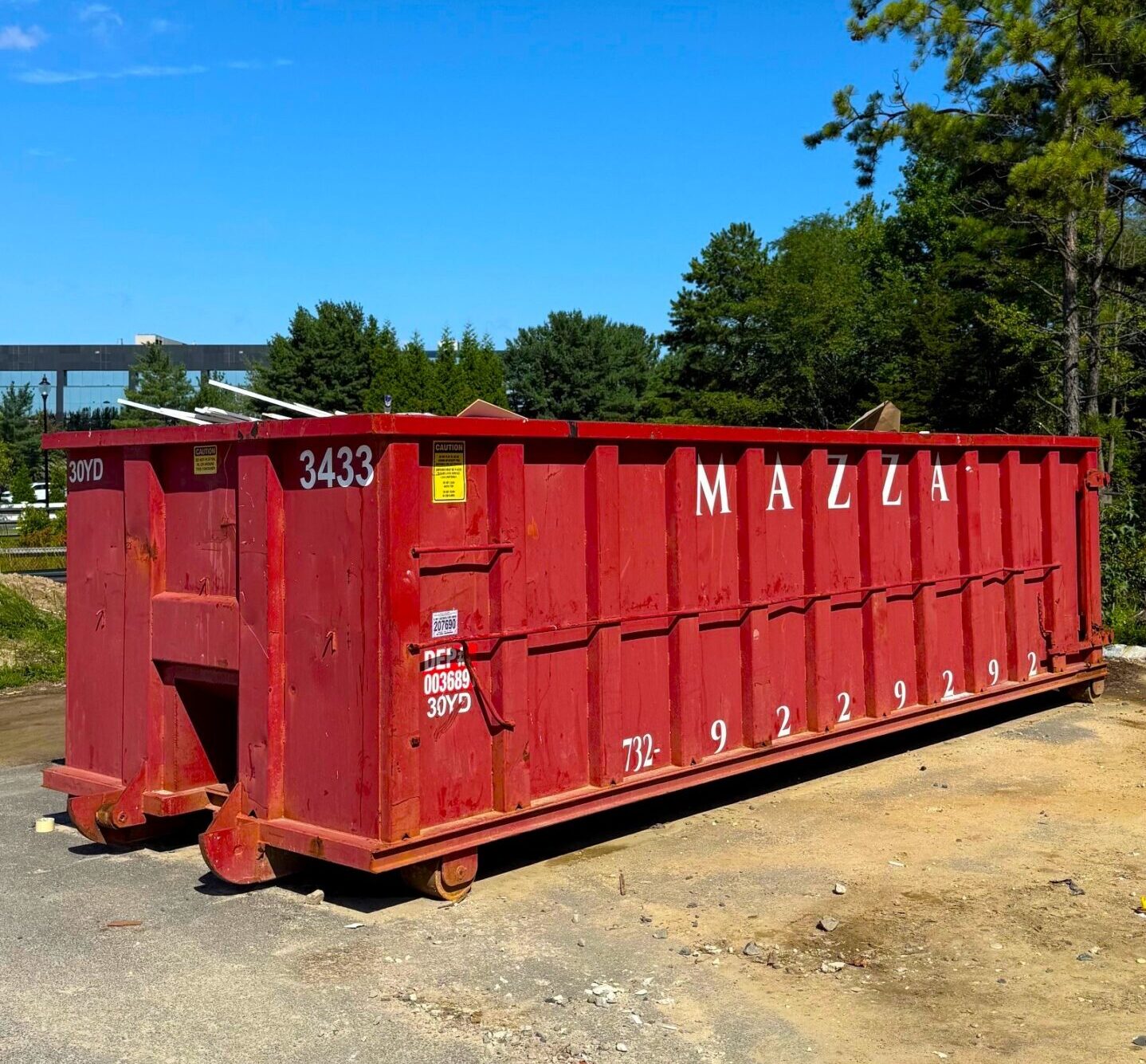
A 20-yard or 30-yard roll-off dumpster parked right outside the commercial space ensures that workers can quickly discard material, keeping the indoor footpaths clear of tripping hazards.
2. Complete Exterior Roof Replacements
Commercial roofs are massive, often covering tens of thousands of square feet. When a commercial property undergoes a full roof tear-off and replacement, the sheer volume and weight of the old materials are staggering.
Think about what goes into a commercial roof structure:
- Multiple layers of heavy asphalt shingles or thick rubber EPDM membranes
- Bulky rigid foam insulation boards (polyiso)
- Water-damaged plywood or corrugated metal decking
- Thousands of rusty nails, flashing pieces, and metal fasteners
Roofing debris stacks up incredibly fast. Because asphalt shingles and underlayment are incredibly dense, they require heavy-duty dumpsters that can handle high weight capacities without exceeding legal road limits. Dropping a dumpster directly beneath the roofline allows workers to utilize debris chutes, sending old roofing material straight into the bin and saving hours of manual labor.
3. Large-Scale Office Cleanouts and Foreclosures
When corporations downsize, relocate, or close their doors, they leave behind an incredible amount of junk. Office cleanouts involve much more than tossing a few old files into a recycling bin.
These projects regularly require purging:
- Bulky office furniture (desks, cubicle partitions, conference tables, and ergonomic chairs)
- Worn-out breakroom appliances (refrigerators, microwaves, industrial coffee makers)
- Massive amounts of paper archives, marketing materials, and old binders
- Damaged carpet tiles and lobby furniture
Attempting to handle a corporate cleanout using standard municipal trash collection is impossible. A dedicated large-scale roll-off dumpster allows cleanout crews to systematically empty a building over a weekend, minimizing disruption to neighboring businesses and ensuring the property is broom-clean for its next occupant.
4. Concrete, Brick, and Masonry Demolition
If your commercial project involves tearing up a parking lot, demolishing concrete walkways, or knocking down structural brick walls, a standard dumpster will not cut it. Heavy debris requires specialized waste management.
Concrete, brick, asphalt, and block masonry are extraordinarily heavy. A single cubic yard of solid concrete weighs around 4,000 pounds. If you throw this material into a standard large dumpster, the truck will not be able to physically lift it, or it will severely violate highway weight restrictions, leaving you with heavy fines.
For these projects, contractors utilize low-profile “heavy debris” dumpsters (usually 10-yard or 20-yard bins). These are engineered specifically to hold dense materials like concrete and gravel, allowing you to safely transport the material to a specialized facility that can crush and recycle the masonry for future aggregate use.
5. Comprehensive Commercial Landscaping and Land Clearing
First impressions matter for commercial properties, which is why businesses invest heavily in extensive landscaping overhauls. Whether you are prepping a vacant lot for new construction or completely remodeling the green spaces around an office park, land clearing generates an immense volume of organic waste.
Commercial landscaping projects regularly produce:
- Whole tree trunks, heavy branches, and massive root stumps
- Tons of excavated dirt, sod, and rocks
- Expired shrubs, hedges, and thick brush
- Old wooden fencing, retaining walls, and pressure-treated lumber
Organic waste takes up substantial physical volume. A dedicated “clean green” dumpster ensures that your organic material is kept separate from synthetic construction materials. This separation allows the waste management provider to send the debris to a composting or wood-chipping facility rather than a landfill, lowering your project’s carbon footprint.
6. Comprehensive Structural Demolition Jobs
Total structural demolitions are the ultimate test of a job site’s waste logistics. Knocking down a standalone retail building, an old warehouse, or a multi-story complex creates a chaotic mix of wood, metal, concrete, glass, and insulation.
To keep a demolition site efficient, waste separation at the source is key. Smart project managers will rent multiple dumpsters at once to sort the materials:
- One dumpster strictly for recyclable metals (steel beams, copper pipes, aluminum wiring)
- One for clean concrete and block masonry
- Several large 40-yard containers for general mixed construction and demolition (C&D) debris
Segmenting your demolition waste prevents your site from turning into an unmanageable junkyard. It also saves thousands of dollars in disposal fees, as pure metal and concrete loads often cost significantly less to dump—or can even earn money back through recycling credits.
Why Choosing the Right Waste Management Partner Matters
Throwing commercial waste into a bin is only half the battle. The real work happens when that bin is pulled off your site. Commercial projects are bound by strict local and federal environmental laws. Mixing hazardous materials with regular trash or using an unlicensed hauler can lead to catastrophic fines and stop-work orders.
That is why working with an experienced, eco-conscious waste partner is essential. If you want to keep your project green and legally compliant, you should trust an eco-friendly commercial dumpster rental provider to manage your site’s debris. A premium partner doesn’t just haul your trash to the nearest landfill; they actively sort through the materials at a state-of-the-art recovery facility to rescue recyclable cardboard, wood, concrete, and metals, driving down your project’s overall environmental impact.
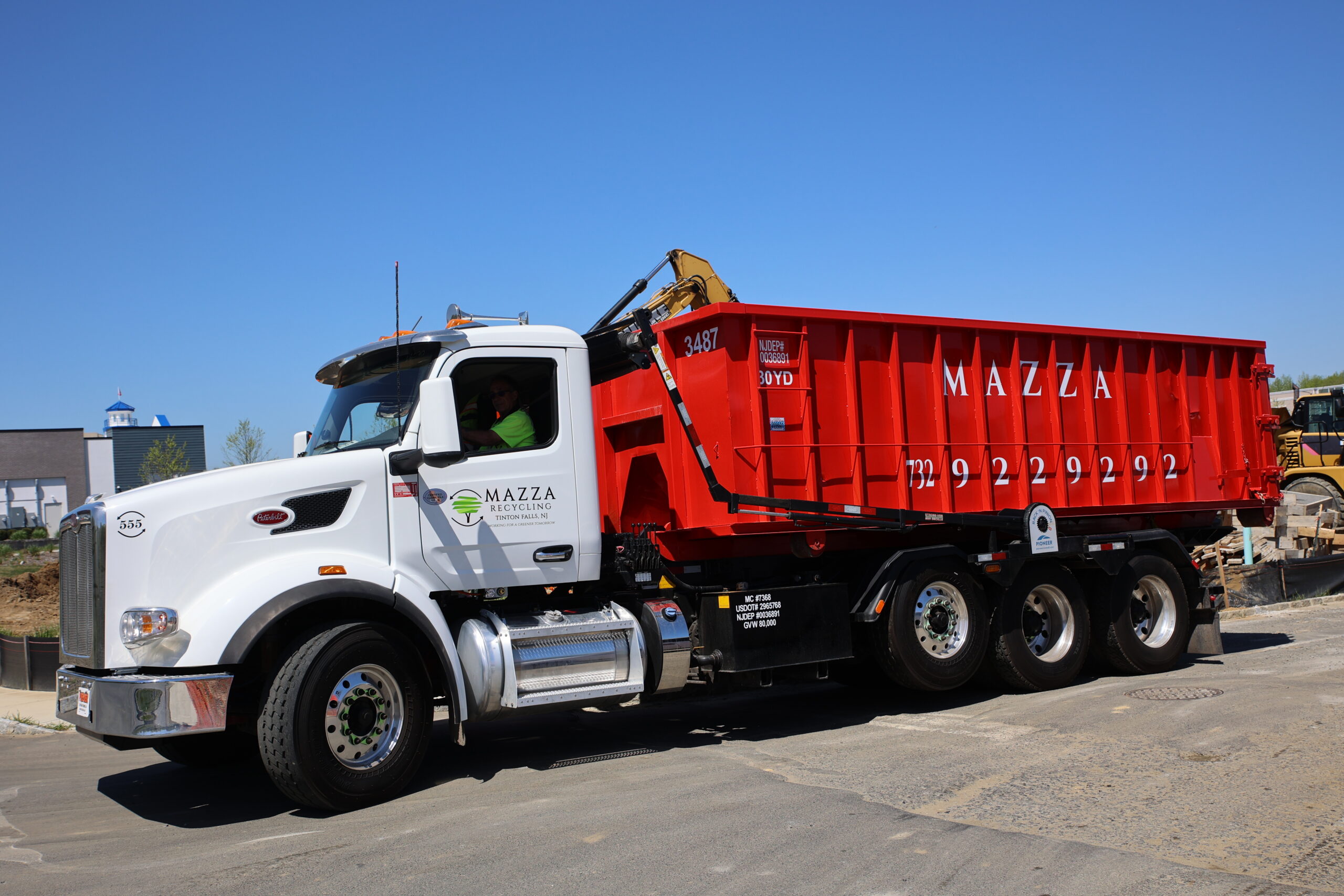
Furthermore, commercial timelines change in the blink of an eye. You need a partner that offers flexible swap-out schedules, ensuring that when one dumpster fills up, a fresh, empty one replaces it immediately. This level of reliability prevents your crew from standing around waiting for a place to put their trash, protecting your bottom line.
| Dumpster Size | Best Commercial Project Fit | Common Materials Handled |
| 10 to 20 Yard | Masonry demolition, parking lot tear-ups, small retail build-outs | Concrete, brick, dirt, heavy shingles, tile |
| 30 Yard | Office cleanouts, major roofing overhauls, commercial renovations | Drywall, wood framing, furniture, carpeting, green waste |
| 40 Yard | Full structural demolitions, large window replacements, warehouse purges | Bulky debris, scrap metal, industrial packaging, wood salvage |
Key Questions to Ask Before Renting Your Commercial Dumpster
Before you sign a rental contract for your next commercial site, make sure you have dialed in the exact logistics. Asking yourself these four quick questions will save you from surprise fees and operational headaches down the line:
- What are the local permitting laws? If the dumpster needs to sit on a public street, sidewalk, or easement rather than private property, you will likely need a right-of-way permit from the city.
- Are there overhead obstructions? Roll-off trucks require significant vertical clearance to tilt and drop a massive steel bin. Ensure your drop zone is completely clear of low-hanging tree branches, power lines, and building overhangs.
- Is the ground surface protected? Heavy steel bins can scratch or crack asphalt and concrete under extreme weight. Ask your provider about placing wooden planks down first to protect the underlying pavement.
- What materials are strictly prohibited? Ensure your crew knows never to toss electronics, batteries, chemical solvents, or asbestos-containing materials into a standard commercial bin.
By proactively addressing your waste strategy, you guarantee a cleaner, safer, and significantly more profitable commercial job site. Let a reliable roll-off dumpster handle the heavy lifting so your crew can focus on building what matters.
Ready to book your dumpster rental? Follow the link here: START DUMPSTER ORDER
Related Posts