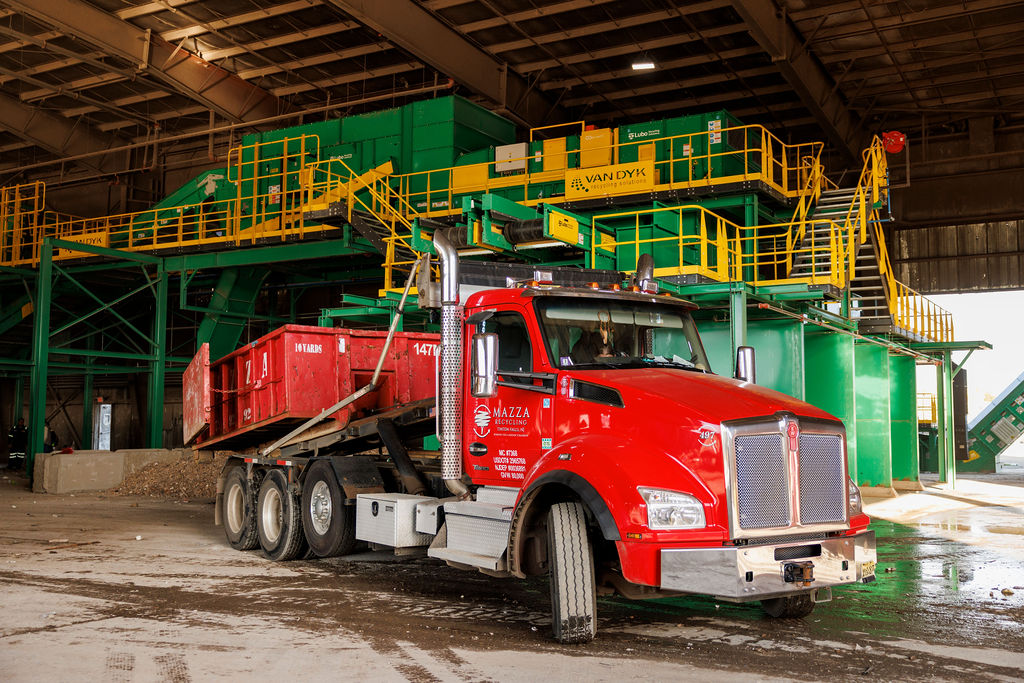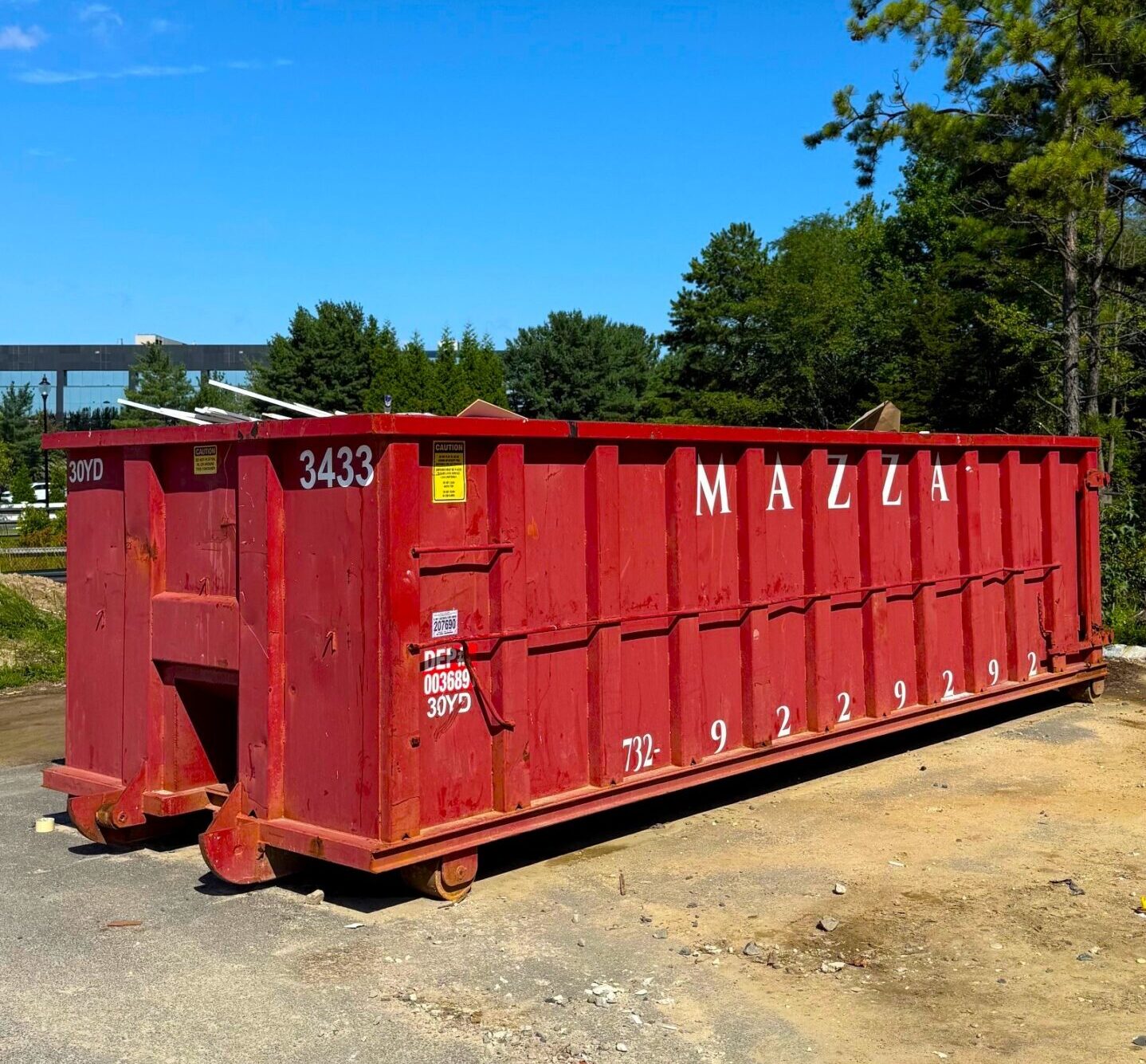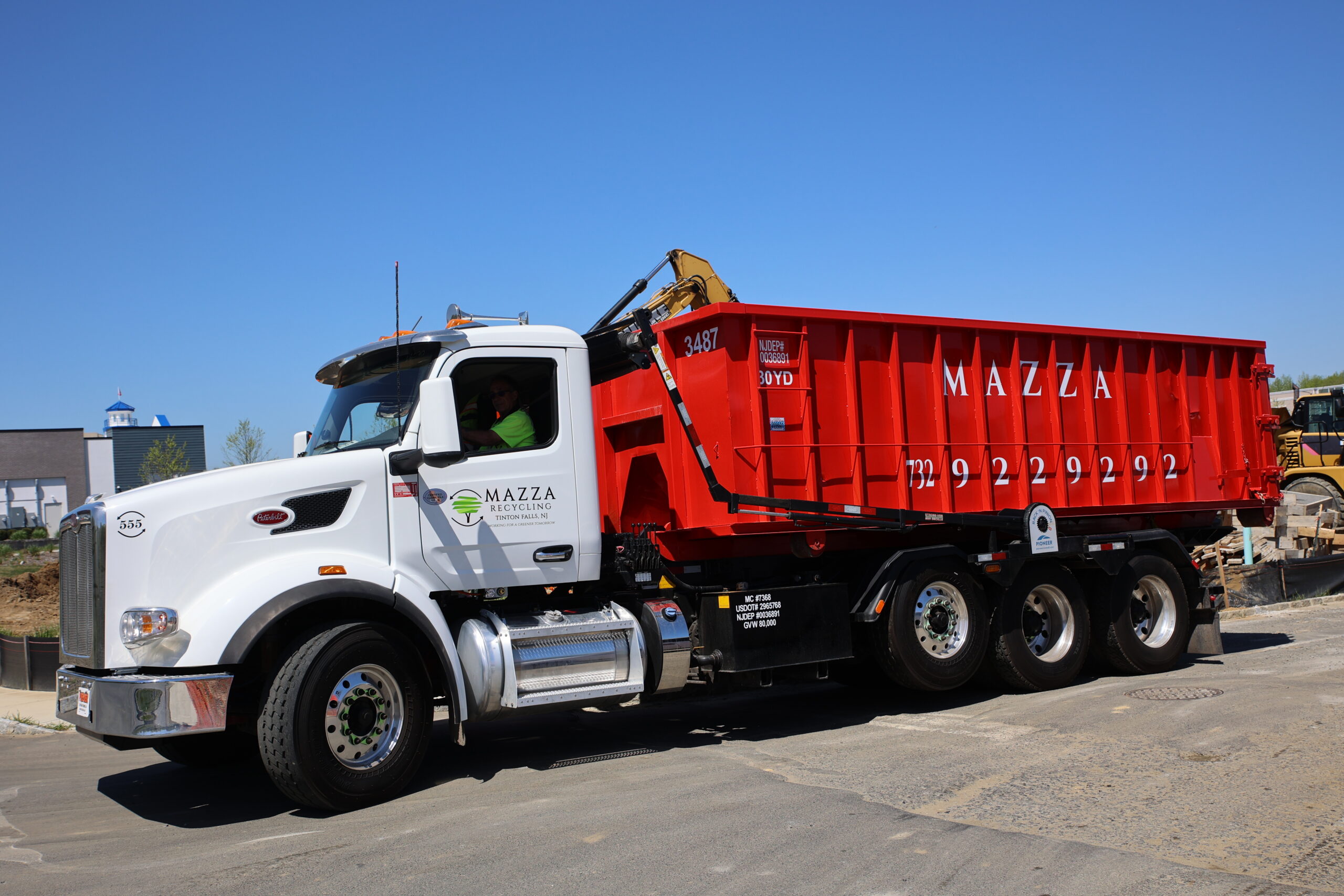
New Jersey stands as the logistical beating heart of the North American supply chain. Situated…
Tackling a major home decluttering project, managing a chaotic construction site, or handling a commercial cleanout brings a unique sense of accomplishment. Renting a roll-off dumpster is usually the best way to keep the momentum going, providing a massive, central spot to toss old junk and debris. It feels incredibly satisfying to watch that mountain of waste disappear into the steel container.
However, a dumpster rental is not a magical, catch-all trash bin.
Many people assume that once they rent a container, anything and everything can go right into it. Unfortunately, tossing the wrong items can lead to costly dry-run fees, environmental penalties, or the rental company completely refusing to haul your load away. Worse yet, mixed-in hazards can spark catastrophic landfill fires or leak toxic chemicals into local groundwater.
Understanding what items are universally prohibited from roll-off dumpsters protects the environment, ensures neighborhood safety, and keeps your project on budget. This detailed guide breaks down the most common prohibited items, explains why they cannot be thrown away, and offers smart, eco-friendly disposal alternatives.
Common Prohibited Dumpster Items. Source: Daddy’s Dumpsters
1. Hazardous Materials and Chemical Waste
Chemicals and hazardous materials represent the most critical restriction for any roll-off container. These items present immediate dangers to transport drivers, sanitation workers, and processing facilities. Under no circumstances should the following make it into your dumpster:
- Paints, Stains, and Lacquers: Wet paint is a major issue. If a paint can punctures during loading or transit, it leaks through the bottom of the container, leaving a permanent trail of wet paint down your driveway and city streets.
- Motor Oils, Automotive Fluids, and Fuels: Gasoline, motor oil, brake fluid, steering fluid, and anti-freeze are highly flammable and toxic. A single gallon of oil can contaminate up to one million gallons of fresh water.
- Pesticides, Herbicides, and Fertilizers: These garden chemicals are highly concentrated. When crushed inside a garbage truck or exposed to rainwater in a open container, they quickly leech into the soil and local ecosystems.
- Solvents and Thinners: Industrial cleaners, paint strippers, and chemical solvents are highly volatile and emit toxic fumes that can overcome workers handling the waste.
The Safe Alternative:
Never pour chemicals down the drain or hide them in trash bags. Most municipalities host seasonal Hazardous Household Waste (HHW) collection days. Keep these liquids sealed in their original containers and drop them off at a designated community drop-off site where specialists can neutralize or recycle them safely.
2. Electronics and E-Waste
Our reliance on technology has created a massive wave of electronic waste (e-waste). While an old printer, broken television, or outdated desktop computer might seem like harmless plastic and metal, their internal components tell a different story.
Circuit boards, cathode-ray tubes (CRTs), and internal soldering heavily utilize heavy metals such as lead, cadmium, mercury, and beryllium. When e-waste sits in a landfill, the protective outer casings eventually break down. Rainwater washes over the exposed internals, creating a toxic chemical cocktail that seeps into subterranean aquifers. Because of this, many states have enacted strict laws outright banning e-waste from standard landfills.
| Common E-Waste Items | Primary Hazard | Best Disposal Route |
|---|---|---|
| Old TVs & Monitors | Lead & Cadmium in glass tubes | Manufacturer take-back programs |
| Computers & Laptops | Heavy metals in circuit boards | Dedicated electronics recyclers |
| Printers & Scanners | Ink/Toner residue & plastics | Office supply store drop-offs |
| Cell Phones & Tablets | Lithium batteries & valuable metals | Certified e-stewards / Kiosks |
3. Batteries (Lithium-Ion and Lead-Acid)
Batteries are small, but they present a massive safety hazard when thrown into a standard waste stream.
Lithium-ion batteries—found in smartphones, laptops, power tools, and electric toothbrushes—are highly unstable when crushed. When a heavy piece of furniture or construction debris shifts inside a dumpster or the compaction mechanism of a garbage truck squeezes a device, it can easily puncture a lithium battery. This triggers “thermal runaway,” a chain reaction that produces intense heat and explosive, self-sustaining fires that are notoriously difficult to extinguish.
Car batteries (lead-acid) contain highly corrosive sulfuric acid and large amounts of toxic lead. They can leak, causing chemical burns to anyone handling the container and destroying surrounding equipment.
The Safe Alternative:
Most hardware stores, tech retailers, and auto parts shops accept old batteries for recycling at no cost. Keep a small box in your garage to collect spent batteries, and drop them off on your next errand run.
4. Large Appliances and Freon-Containing Units
Major home appliances—often called “white goods”—are heavily restricted due to their sheer bulk and specialized components. While some haulers accept completely empty stoves or washing machines (often for an extra fee to cover scrap metal sorting), refrigerators, freezers, air conditioners, and dehumidifiers face strict regulations.
These cooling appliances rely on refrigerants like Freon (chlorofluorocarbons or hydrofluorocarbons). Refrigerants are potent greenhouse gases that actively deplete the ozone layer if vented into the atmosphere. Federal law requires certified technicians to safely extract and log these gases before the metal appliance can be crushed or recycled.
Safety Warning: Beyond the environmental impact, old refrigerators and freezers with latching doors present a physical safety hazard for neighborhood children who might climb inside while playing and become trapped. Always remove the doors before setting an appliance out for specialized pickup.
5. Tires and Heavy Automotive Components
Tires are completely banned from almost every landfill and dumpster rental service nationwide. Because of their unique hollow shape and resilient rubber composition, tires do not stay buried. When buried in a landfill, they trap methane gas and naturally “float” back to the surface over time, puncturing the protective plastic liners designed to keep landfill contents contained.
Furthermore, stockpiled tires catch fire easily. Tire fires burn hot, emit thick black, toxic smoke, and can burn underground for months, making them an absolute nightmare for emergency services.
The Safe Alternative:
When you get new tires installed, the auto shop typically collects a small environmental fee to recycle your old ones. If you have old tires sitting around the garage from a DIY project, take them directly to a local tire retailer or local recycling center for proper processing.
6. Upholstered Furniture and Mattresses
Can you throw a mattress or a couch in a dumpster? The answer is a frustrating: it depends.
Many municipal waste systems and private haulers restrict mattresses and fabric furniture due to their bulk. They take up a massive amount of volume without compacting well, meaning the dumpster fills up long before it reaches its actual weight capacity. Additionally, in areas dealing with pest outbreaks, haulers strictly prohibit mattresses to prevent spreading bedbugs or fleas to processing facilities.
Always call your rental provider ahead of time to confirm their specific furniture policy. Some companies allow them but charge a specific “per-item” handling fee on top of your base rental rate.
7. Medical Waste and Biological Hazards
This category includes items like used syringes, medical needles, bloody bandages, expired medications, and pet waste.
Medical waste poses immediate biohazard risks to everyone down the waste management line. Needlestick injuries can transmit serious bloodborne pathogens, while improperly discarded medications dissolve in landfill runoff, introducing antibiotics and pharmaceuticals directly into natural water systems.
Avoid Fees and Protect the Environment
Failing to screen what goes into your roll-off container can quickly derail a smooth home or commercial project. If a driver spots highly visible prohibited items—like a row of tires or a refrigerator—balanced on top of your load, they will leave the container sitting on your property and charge you a “dry-run” fee for the wasted trip. If the items are buried and discovered later at the sorting facility, you will face hefty environmental sorting fines added directly to your final bill.
Staying compliant doesn’t have to be difficult. By planning out your disposal strategy ahead of time, sorting out the hazardous components, and utilizing local specialized drop-offs, you can keep your job site safe, compliant, and cost-effective.
If you are currently planning a major cleanout, renovation, or demolition project across New Jersey, turning to a certified local partner makes the entire process stress-free. Working with an experienced waste management team ensures your materials are sorted with maximum efficiency and compliance. For reliable, eco-conscious roll-off container rentals and professional waste management solutions, you can count on the expert services provided by Mazza Recycling to handle your debris safely and responsibly.
Ready to book your dumpster rental? Follow the link here: START DUMPSTER ORDER
Related Posts