Renovating your home in Ocean County—whether updating a coastal beach bungalow in Toms River, gutting…
Executing a major construction, industrial demolition, or full-scale commercial clear-out across Middlesex County requires a solid waste management plan. From booming warehouse districts in Edison and Piscataway to large residential redevelopment projects in Woodbridge, choosing the wrong container footprint can derail your project schedule and inflate your operating costs. Overloading a small container creates highway transit hazards, while ordering a container larger than necessary burns through your project budget. Match your project scope to the right container footprint, evaluate structural load limits, comply with municipal placement codes, and keep large jobs running smoothly from delivery to haul-away.
1. Evaluate Project Scope to Match Dumpster Capacities
When managing large commercial retrofits, multi-family tear-outs, or structural cleanouts, selecting the proper container volume is critical. Choosing the correct footprint prevents job site clutter, minimizes truck turnarounds, and ensures complete safety compliance.
The 10-Yard Roll-Off Container
- Dimensions: Typically 12 feet long by 8 feet wide by 3.5 feet high.
- Capacity: Holds up to 10 cubic yards of material (approx. 4 pickup truck loads).
- Best Project Uses: Heavy inert materials like concrete, brick, dirt, or stone. Because dense masonry reaches weight limits quickly, smaller containers prevent trucks from exceeding strict highway weight allowances.
The 15-Yard Roll-Off Container
- Dimensions: Typically 16 feet long by 8 feet wide by 4.5 feet high.
- Capacity: Holds up to 15 cubic yards of material (approx. 6 pickup truck loads).
- Best Project Uses: Medium-sized commercial interior gut-outs, small roofing replacements, and office carpet removals.
The 20-Yard Roll-Off Container
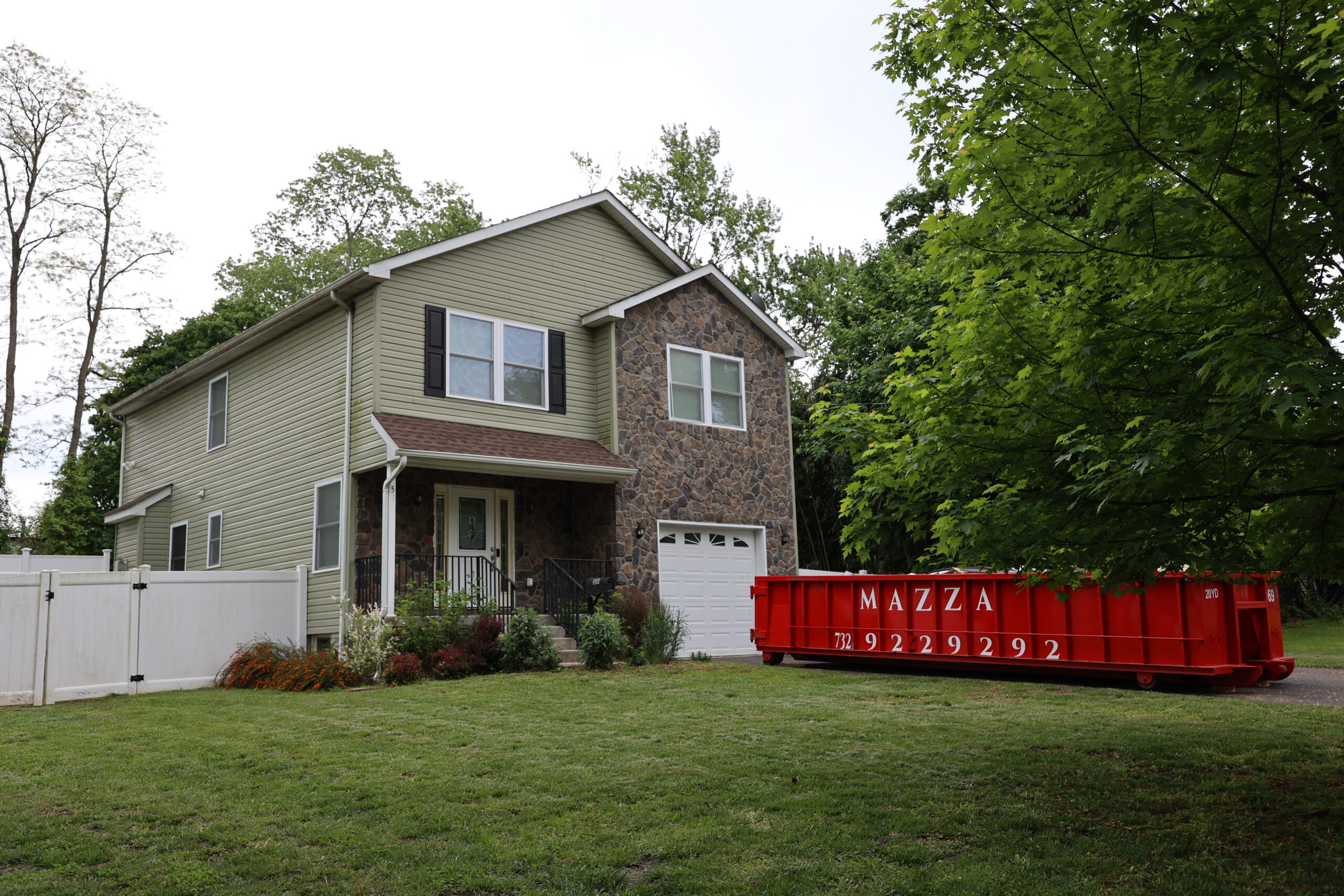
- Dimensions: Typically 22 feet long by 8 feet wide by 4.5 feet high.
- Capacity: Holds up to 20 cubic yards of material (approx. 8 pickup truck loads).
- Best Project Uses: Large retail renovations, multi-room drywall gutting, deck teardowns, and heavy tree or brush clearing.
The 30-Yard Roll-Off Container
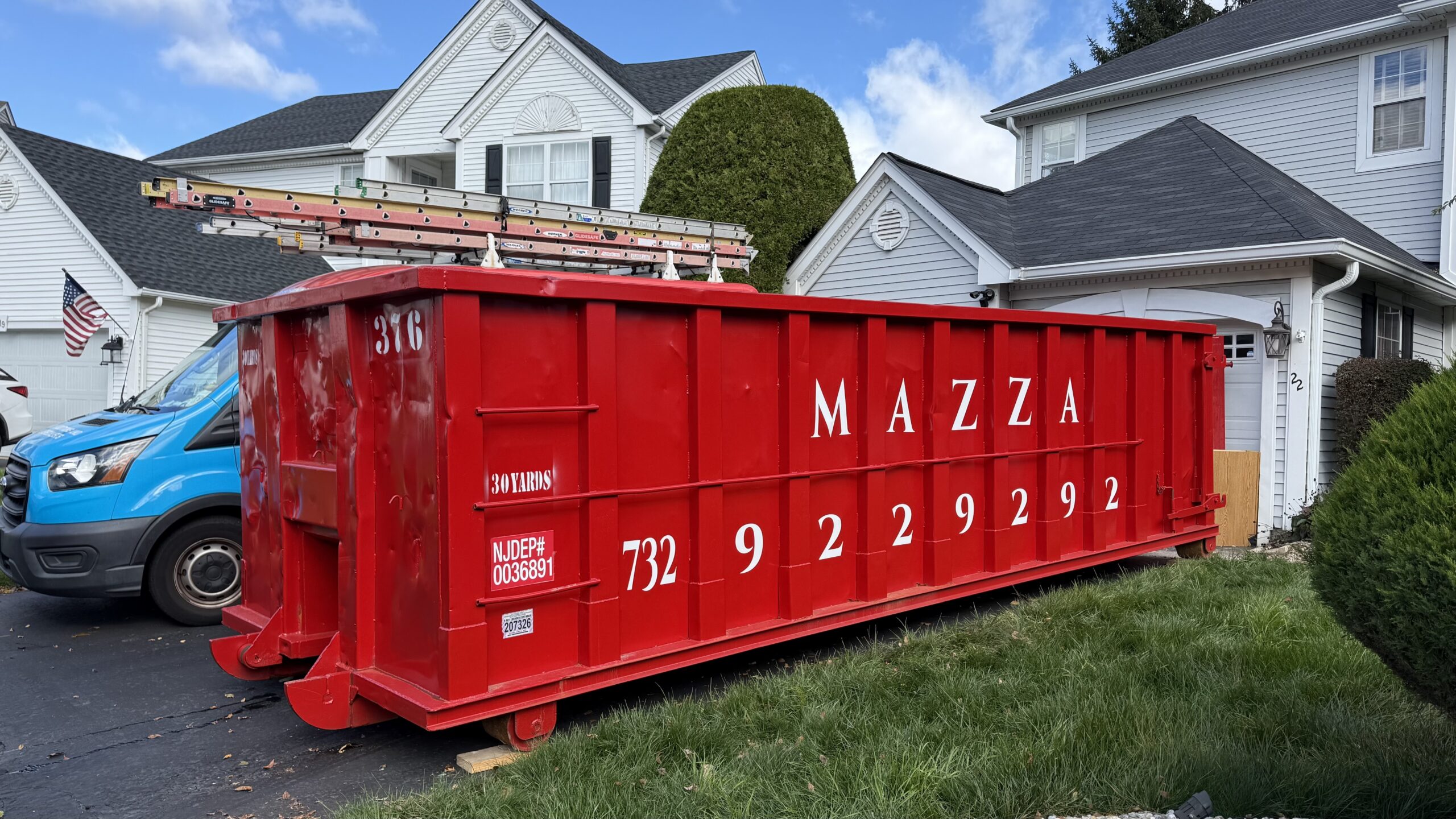
- Dimensions: Typically 22 feet long by 8 feet wide by 6 feet high.
- Capacity: Holds up to 30 cubic yards of material (approx. 12 pickup truck loads).
- Best Project Uses: Complete commercial interior fit-outs, residential estate cleanouts, major roof tear-offs, and new framing construction.
The 40-Yard Roll-Off Container
- Dimensions: Typically 22 feet long by 8 feet wide by 8 feet high.
- Capacity: Holds up to 40 cubic yards of material (approx. 16 pickup truck loads).
- Best Project Uses: Industrial plant cleanouts, massive commercial structural demolitions, large multi-family building updates, and major disaster recovery projects.
2. Navigate Municipal Street Permits and Local Zoning Regulations
Container placement rules vary across municipalities, making early compliance crucial when setting up job site staging areas.
Private Land Staging vs. Public Right-of-Way
Placing roll-off containers on private commercial lots, gated job sites, or long driveway pads does not typically require municipal permits. However, when tight urban staging forces you to park a container on a municipal street, curb lane, or public alleyway, you must secure street permits in advance.
Municipal guidelines generally require:
- Filing a temporary right-of-way permit application with the local municipal clerk or police department prior to staging.
- Placing high-visibility traffic cones or reflective barricades around the container perimeter.
- Maintaining clear sightlines for traffic, keeping space open around fire hydrants, and leaving access pathways clear for local emergency vehicles.
Checking zoning ordinances before delivery prevents unexpected job halts or daily non-compliance fines.
3. Prepare the Staging Area to Shield Pavement and Ensure Truck Access
Roll-off delivery trucks carrying heavy commercial containers need ample room to maneuver. Site prep protects asphalt surfaces from scuffing and guarantees safe delivery.
Measure Delivery Clearances
Ensure your job site provides proper clearance for heavy haul vehicles:
- Overhead Space: Require at least 14 feet of vertical clearance, completely free from overhead utility wires, low limbs, or building overhangs.
- Straight-Line Approach: Maintain a clear path of 40 to 50 feet in front of the placement point so the truck can reverse smoothly.
- Access Width: Ensure at least 10 feet of width through access gates and staging corridors.
Protect Asphalt and Concrete Surfaces
A loaded steel container exerts immense point pressure on pavement. Resting heavy steel wheels directly on soft asphalt or stamped concrete can create scuffs or surface cracks. Protect your site by laying down heavy wooden planks (2×6 timber or thick plywood) where the container’s steel wheels will land, spreading the load weight safely across the surface.
4. Master High-Density Loading to Eliminate Void Spaces
Optimizing how debris goes into your container allows you to fit maximum volume into every load, saving money on unnecessary container pulls.
Utilize Walk-In Access
Take advantage of the heavy-duty rear door hinged on large roll-off containers. Open the swinging door completely so crews can walk bulky items, long lumber, and wallboard directly inside, rather than tossing material over eight-foot-tall side walls.
Apply Structured Stacking
- Floor Layer: Place long, heavy, and flat debris—such as plywood panels, long 2×4 studs, subflooring, and metal beams—flat along the container bottom.
- Middle Layer: Fill open spaces with bulky commercial fixtures, cabinetry, dismantled shelving, and boxed demolition scrap.
- Top Layer: Finish loading with light items, trim, cardboard, and flexible packing material.
Saws and sledgehammers are valuable loading tools. Cutting framing lumber into shorter lengths and crushing hollow furniture removes open air pockets, enabling crews to pack significantly more material per haul.
5. Account for Structural Weight Limits and Weather Factors
While 30-yard and 40-yard containers provide immense volume, filling them with dense materials like dirt or masonry can quickly exceed legal highway transport limits.
Distinguish Heavy Materials
Dense, heavy materials require low-profile containers designed specifically for inert waste. Mixing large quantities of brick, concrete, stone, or soil into general construction roll-offs can make the container too heavy for trucks to hoist safely, leading to overweight surcharges at scales.
Guard Against Moisture Gain
Rainstorms can dramatically increase total waste weight. Absorbent job site materials—such as fiberglass insulation, drywall, exposed carpet, and cardboard—soak up water like sponges.
- Cover open containers with heavy plastic tarps secured by heavy-duty tie-downs overnight or during rain.
- Keep container drain holes unobstructed to prevent standing water accumulation on the steel floor.
6. Prohibit Hazardous Items and Secure Prompt Final Haul-Away
Keeping prohibited waste out of your container protects site workers, prevents facility fines, and ensures clean processing at local material recovery facilities.
Unacceptable Waste Materials
Never place these hazardous items into standard construction roll-off containers:
- Liquid paints, industrial coatings, thinners, and chemical solvents
- Asbestos insulation, siding, or ceiling tiles
- Car batteries, industrial lithium-ion batteries, and hazardous electronics
- Propane tanks, fuel cells, and automotive fluids
- Refrigeration equipment containments (unless drained and certified by a technician)
Prepare for Final Container Retrieval
When your project reaches completion, ensure a clean final haul by checking these items:
- Level-Load Verification: Ensure all waste sits flush with or below the container’s top edge. Overfilled loads present severe highway hazards, and drivers will refuse transit if material extends above the top rail.
- Access Route Clearance: Move contractor vans, dump trucks, and staging materials clear of the driver’s approach path.
Choosing the Right Size Partner for Big Projects
Managing large construction waste demands strategic planning, clear logistics, and dependable container services. Choosing the ideal container volume, protecting your property, loading efficiently, and adhering to municipal codes keeps your job site clean, compliant, and on schedule.
When managing large-scale commercial, industrial, or residential projects, securing reliable Middlesex County dumpster sizes for big projects ensures your job site runs smoothly with prompt deliveries, transparent weight limits, and eco-friendly waste processing.
Large Project Dumpster Sizing Checklist
Use this quick checklist to streamline waste logistics on your next project:
- Calculate Volume: Choose a 10, 15, 20, 30, or 40-yard container based on scope and density.
- Review Permits: Confirm local municipal street placement rules if staging outside private property.
- Prep the Foundation: Lay timber boards to safeguard driveway or parking lot surfaces.
- Isolate Heavy Debris: Put dirt, brick, and concrete into dedicated heavy-material units.
- Load Efficiently: Walk flat, long framing waste through the rear door to eliminate air voids.
- Tarp Open Loads: Cover open units during rainstorms to avoid water weight surcharges.
- Exclude Hazards: Divert paints, batteries, solvents, and electronics away from general construction streams.
- Verify Rim Height: Ensure waste levels stay safely below the top container edge prior to haul-away.
Ready to book your dumpster rental? Follow the link here:
Related Posts