New Jersey stands as the logistical beating heart of the North American supply chain. Situated…
Whether you are tackling a major home renovation, clearing out decades of accumulated clutter from an attic, or managing a busy commercial construction site, renting a roll-off dumpster is one of the most efficient ways to handle high-volume waste. It gives you a centralized hub for debris, keeps your workspace clean, and streamlines the hauling process.
However, during a major cleanup project, it is easy to get carried away. As the piles of drywall, old furniture, concrete, or yard waste start accumulating, a common temptation arises: to keep piling it higher and higher, squeezing every square inch of space out of the container.
While it might seem like a harmless way to maximize your financial investment, overloading a dumpster is a practice filled with hidden risks. From severe safety hazards on your property to steep financial penalties and legal liabilities on public roads, the consequences of a overfilled container are significant.
Below, we break down the critical risks associated with overloading your dumpster rental and look at how you can avoid these pitfalls to ensure a smooth, safe, and cost-effective waste disposal process.
1. On-Site Safety Hazards for Workers and Pedestrians
The most immediate risk of an overloaded dumpster occurs right on your property before the haul truck even arrives. Dumpsters are engineered with specific structural boundaries designed to contain loose, heavy debris safely. When waste surpasses these boundaries, your project site instantly becomes a hazard zone.
When items are stacked above the rim—often referred to as “fill-line violations”—the debris becomes highly unstable. A gust of wind, a passing worker bumping the container, or simply the shifting of gravity can cause heavy materials to slide off the pile.
- Falling Debris Injuries: Jagged pieces of wood, broken concrete, shards of glass, or discarded metal strips falling from a height can cause severe injuries to anyone walking or working near the container.
- Tripping and Puncture Risks: When debris spills over the sides, it litters the perimeter of the dumpster. This creates immediate tripping hazards and elevates the risk of stepping on exposed nails or sharp materials.
- Wildlife and Pest Attractions: If your project involves organic waste, household trash, or materials that trap water, an unclosable, overflowing dumpster becomes a breeding ground for pests, rodents, and stray animals, introducing hygiene issues to your site.
2. Roadway Dangers During Transit
While an overfilled dumpster is hazardous sitting still, it becomes a major public safety threat once it is loaded onto a truck and travels down public roads at high speeds.
When a haul truck accelerates, brakes, or takes a sharp turn, loose debris inside the container shifts violently. If that debris is sitting above the protective walls of the dumpster, it can easily catch the wind or succumb to centrifugal force, launching projectiles onto the road.
Imagine a piece of loose plywood or a chunk of concrete flying out of a dumpster while traveling on a highway. It can shatter the windshield of a trailing vehicle, cause drivers to swerve across lanes in a panic, and trigger catastrophic multi-vehicle accidents.
Waste management companies are strictly bound by Department of Transportation (DOT) safety regulations. Because of these immense roadway risks, transport drivers are legally required to tarp their loads securely. If a dumpster is overflowing, the tarp cannot properly seal the container, making it completely illegal to transport.
3. Structural Integrity and Property Damage
It is easy to forget that roll-off dumpsters have rigid mechanical limits. Overloading a dumpster does not just mean filling it past the top rim; it can also mean exceeding its maximum legal weight capacity.
Different materials have vastly different weight distributions. For instance, a 20-yard dumpster filled with old drywall and carpets may weigh significantly less than a 20-yard dumpster filled halfway with heavy dirt, brick, sand, or concrete.
| Material Type | Average Weight Per Cubic Yard | Risk Level When Filling Large Dumpsters |
| Household Clutter / Furniture | ~150 – 300 lbs | Low risk of exceeding weight limits, higher risk of height overfill |
| Drywall and Framing Lumber | ~300 – 500 lbs | Moderate risk; requires mindful distribution |
| Concrete, Brick, Dirt, or Asphalt | ~2,000 – 3,000 lbs | Extremely high risk; can easily overload a truck even if the dumpster looks half empty |
When you exceed these weight ratings, you risk causing physical damage to your own property, including:
- Driveway Cracking: The combined weight of an overloaded dumpster and the heavy hoist mechanics of the delivery truck can split asphalt or crack residential concrete pads.
- Lawn Divots and Structural Sinking: If placed on soil or grass without proper wooden planks beneath the rollers, an excessively heavy container will sink into the ground, rupturing underground utility pipes or destroying landscaping.
4. The Financial Fallout: Overage Fees and Dry Run Charges
Trying to save money by cramming more trash into a single container almost always backfires financially. Waste management operators utilize precise scales at transfer stations and landfills to weigh the trucks upon entry and exit.
When you contract a dumpster rental, your agreement specifies a maximum tonnage allowance (e.g., 2 tons, 4 tons, etc.). If your container rolls onto the scale over that weight threshold, you will be hit with automatic overage fees. These fees are calculated per ton or fraction of a ton and can instantly erase any perceived savings.
Even worse are dry run fees. If a driver arrives at your home or job site and determines that the dumpster is stacked too high, unevenly balanced, or too heavy to lift safely, they will refuse to hook up the container. They will document the safety violation, leave the dumpster on your property, and drive away. You will be billed a “dry run fee” for their time and fuel, and you will be stuck unloading the excess debris yourself before they schedule a return trip.
How to Prevent Overloading Pitfalls
Avoiding the logistical nightmare of an overfilled dumpster requires proper planning and open communication with your disposal provider. Use these strategic tips to keep your project running efficiently:
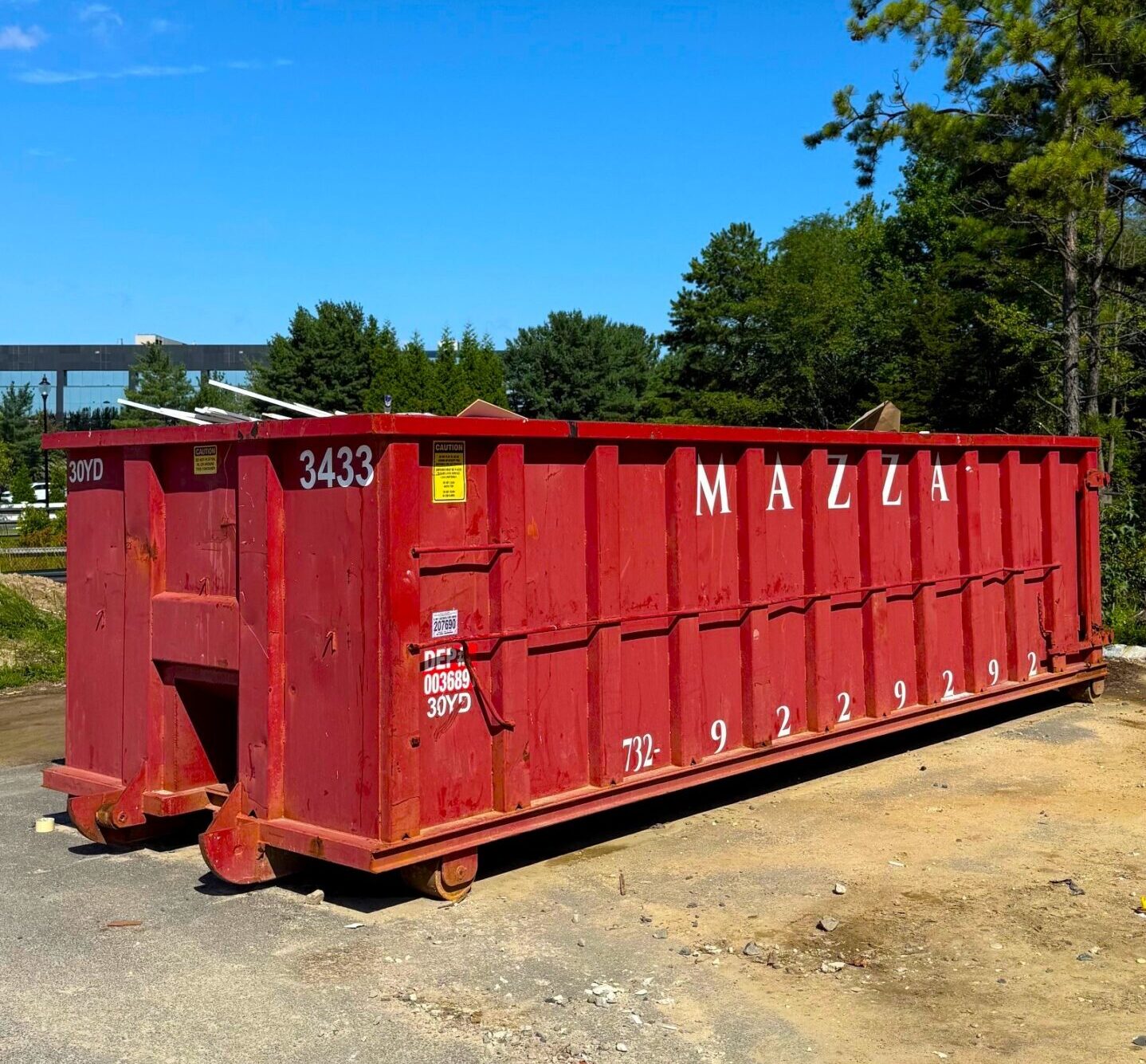
- Know the “Water Level” Rule: Treat the top rim of the dumpster like a hard ceiling. No piece of debris should protrude above the metal sidewalls.
- Estimate Your Waste Volume Conservatively: If you are torn between a 15-yard and a 20-yard dumpster, always opt for the larger size. It is far more affordable to pay a slightly higher base rate for a larger container than it is to pay dry run fees and manage a secondary rental because you ran out of space.
- Distribute Weight Evenly: Place heavy items like appliances or concrete blocks flat on the bottom of the bin, distributing them across the entire footprint rather than piling them all at one end. This prevents the haul truck from becoming unbalanced during retrieval.
- Break Down Large Objects: Take a few extra minutes to dismantle old furniture, smash large boxes, and chop up bulky branches. This minimizes empty pockets of air (“dead space”) inside the container, allowing you to fit more within the legal fill line.
Streamline Your Next Cleanup Project
Managing waste safely requires reliable equipment and transparent guidelines. By partnering with an experienced local waste management company, you get the direct professional guidance needed to select the correct container sizes for your specific debris type. If you are preparing for an upcoming cleanout or renovation project, you can secure reliable, safe, and transparently priced container options through an experienced dumpster rental provider to keep your job site compliant and clear of hidden hazards.
Ready to book your dumpster rental? Follow the link here: START DUMPSTER ORDER
Related Posts