New Jersey stands as the logistical beating heart of the North American supply chain. Situated…
Planning a major home renovation, roofing tear-off, estate cleanout, or landscaping overhaul is an exciting milestone. However, before the heavy machinery arrives and demolition begins, there is one crucial logistical step that many homeowners and contractors overlook: preparing the physical drop-off site for your roll-off container.
A fully loaded 10, 20, or 30-yard dumpster can weigh anywhere from 2 to 6 tons (or more), placing immense pressure on asphalt, concrete, paver stones, and underground utilities. Combined with the navigational challenges of New Jersey’s tight suburban driveways, low-hanging coastal tree canopy, and strict municipal parking enforcement, taking a proactive approach to site prep makes all the difference.
Preparing your property ensures a smooth, damage-free delivery, eliminates hidden delivery delays or trip fees, and keeps your project safe from start to finish.
1. Choose the Optimal Drop-Off Location on Your Property
Selecting the right location for your dumpster rental involves balancing convenience for your workforce with safety for your property.
Hard, Level Surfaces Are Essential
Roll-off containers must be placed on a firm, flat, and level surface. Asphalt driveways, concrete pads, and hard-packed gravel areas are ideal. Avoid soft ground, muddy patches, or residential lawns whenever possible. Sinking heavy steel wheels into grass or uncompacted soil can leave deep ruts, cause the container to tilt dangerously, or immobilize the delivery truck during pickup.
Maintain Clear Vertical and Horizontal Clearance
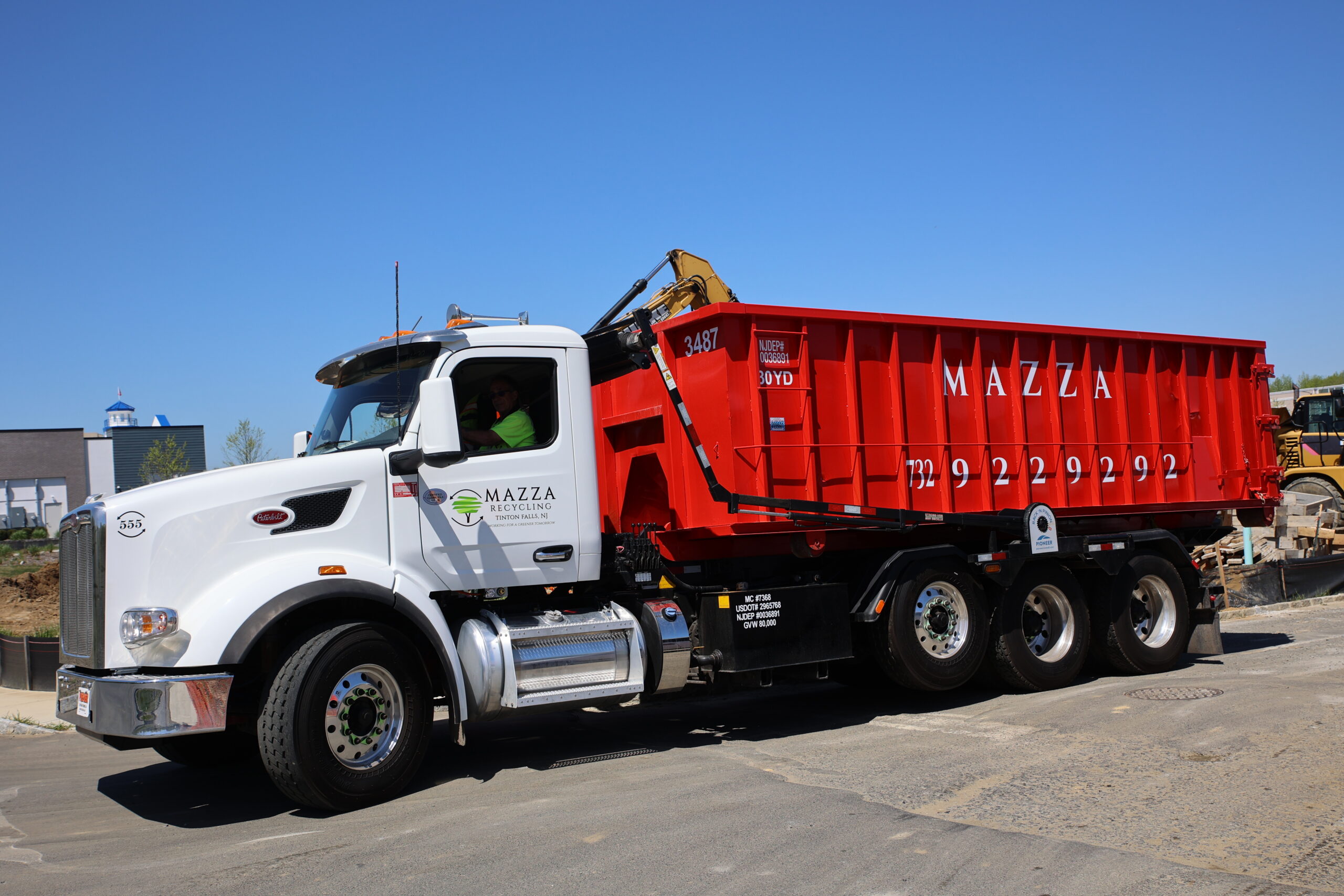
Roll-off delivery trucks utilize a hydraulic tilt-bed system to slide containers into place. To maneuver safely, the truck requires significant overhead and lateral clearance:
- Vertical Overhead Space: Ensure there are no low-hanging tree branches, telephone lines, electrical cables, or low roof eaves within 14 to 18 feet directly above the placement zone and the truck’s approach path.
- Horizontal Workspace: A standard 20-yard or 30-yard roll-off dumpster measures roughly 22 feet long by 8 feet wide. However, the delivery truck itself needs approximately 60 feet of straight-line driveway/street clearance in front of the landing spot to back in, raise the hoist bed, and set the container down smoothly.
2. Shield Your Driveway from Weight and Drag Damage
Even carefully placed steel roll-off wheels can scuff, scratch, or crack residential paving surfaces—especially during hot New Jersey summer months when asphalt softens under high ambient temperatures.
+-------------------------------------------------------------+
|              Plywood Board Protection Setup                 |
|                                                             |
|   [ Driveway Asphalt / Pavers ]                             |
|       ||                                     ||             |
|   +---+--------------------------------------+---+          |
|   |   |   4' x 8' Sheet of 3/4" Plywood     |   |          |
|   +---+--------------------------------------+---+          |
|       ||                                     ||             |
|    [ Steel Wheel ]                       [ Steel Wheel ]    |
|   +---------------+                     +---------------+   |
|   |  Roll-Off     |                     |  Roll-Off     |   |
|   |  Dumpster Rear|                     |  Dumpster Front|  |
|   +---------------+                     +---------------+   |
+-------------------------------------------------------------+
The Plywood or 2×4 Board Buffer Strategy
The single most effective way to protect asphalt, poured concrete, or stamped pavers is to construct a wooden landing pad.
- Obtain two to four sheets of 3/4-inch exterior-grade plywood or heavy 2×4 / 2×6 structural lumber boards.
- Lay the wood flat across the targeted drop zone, aligning the boards where the front and rear steel wheels or metal runners of the dumpster will rest.
- This setup distributes the concentrated multi-ton point weight across a broader surface area, absorbing scrapes and preventing direct metal-on-asphalt friction.
Identify and Protect Underground Utilities
Be conscious of what lies beneath your driveway. Avoid placing containers directly over soft septic tank covers, shallow sprinkler supply lines, water meter vaults, or decorative drain covers. The crushing weight of a filled debris container can easily crack underlying pipe networks or cave in subterranean utility structures.
3. Clear the Access Route and Secure Neighborhood Permits
A delivery truck cannot drop a container if its path is obstructed. Taking time the day before delivery to clear access saves valuable time on drop-off day.
Clear the Access Path
- Move all family vehicles, trailers, basketball hoops, potted plants, and lawn equipment out of the driveway and well clear of the street curb opposite your driveway entrance.
- Request that immediate neighbors park their cars away from the street area directly across from your driveway apron. Large roll-off trucks require a wide swing radius to back straight down a suburban driveway.
- Trim back overhanging tree limbs along the driveway lining that hang lower than 14 feet.
Check Local NJ Municipal Parking & Street Permits
If your driveway is too short, steep, curved, or inaccessible, placing the container on the street or curb apron may be your only choice. However, parking a commercial container on a public roadway in New Jersey comes with regulatory requirements:
| Scenario | Permit Requirement | Common Municipal Rules |
| Private Driveway Placement | Typically No Permit required | Container must remain entirely within private property boundaries. |
| Public Street / Curb Placement | Permit Required in most NJ towns | Requires municipal encroachment or street obstruction permit from local police or public works. |
| Reflective Safety Equipment | Mandatory for street placement | Must feature reflective tape, orange safety cones, or night-warning markers per local ordinance. |
Always contact your local municipal clerk or police department non-emergency line 3 to 5 business days prior to delivery to confirm street placement regulations in your specific borough or township.
4. Smart Loading Techniques for Safe and Efficient Disposal
Once your container is securely in place, proper loading habits ensure safety and keep your project budget on track.
       TYPICAL ROLL-OFF DUMPSTER CAPACITY & DIMENSIONS

 +---------------------------------------------------------------+
 | 10-YARD DUMPSTER | 12' L x 7.5' W x 3.5' H                   |
 | Ideal for: Small garage cleanouts, heavy dirt, masonry, rock  |
 +---------------------------------------------------------------+
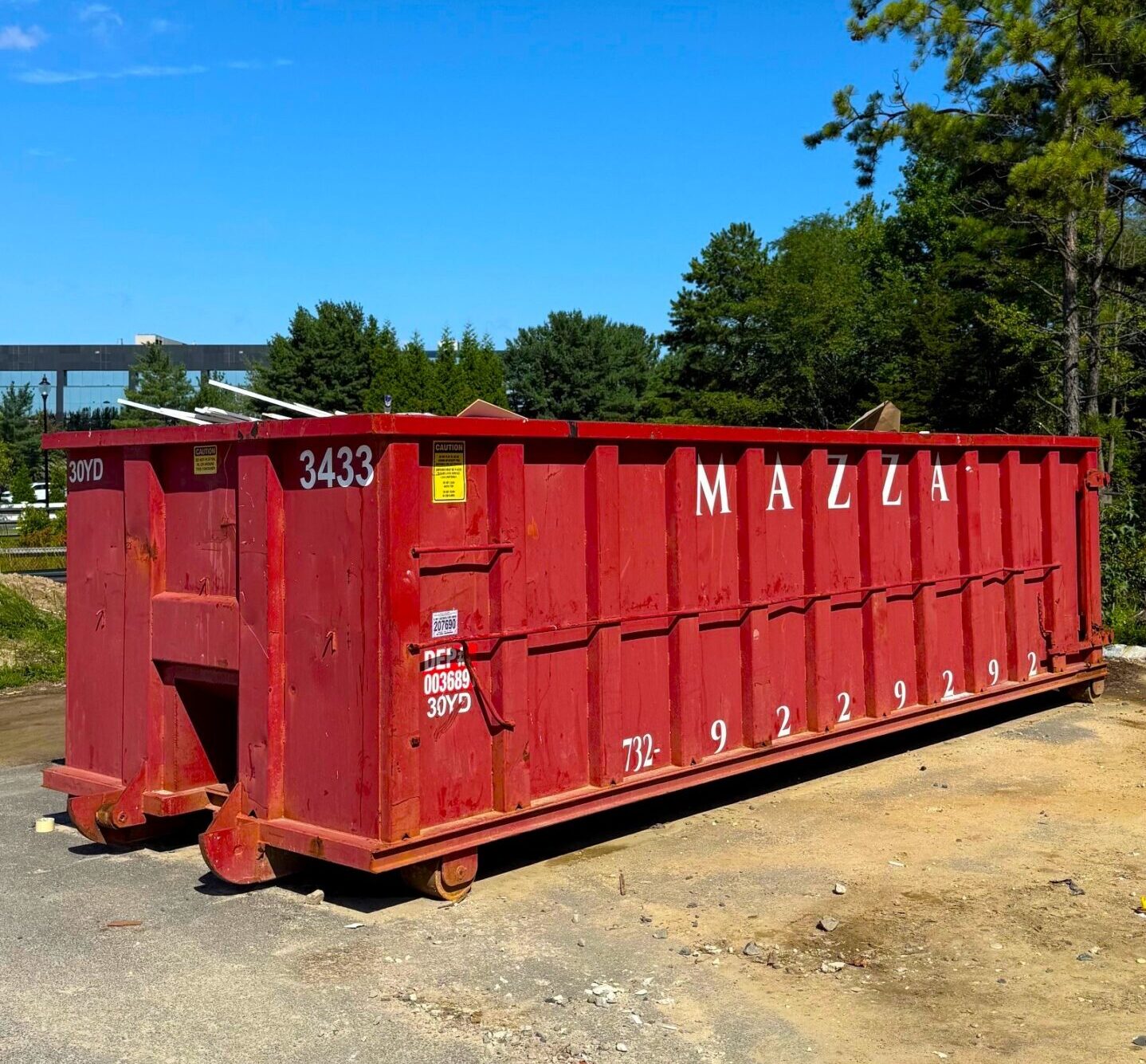
 | 20-YARD DUMPSTER | 22' L x 8.0' W x 4.0' H                   |
 | Ideal for: Kitchen remodels, roof tear-offs, deck removals   |
 +---------------------------------------------------------------+
 | 30-YARD DUMPSTER | 22' L x 8.0' W x 6.0' H                   |
 | Ideal for: Major additions, full house cleanouts, commercial |
 +---------------------------------------------------------------+
Distribute Heavy Weight Evenly
When filling your container, pack heavy materials flat across the bottom first. Avoid piling heavy items like masonry, plaster, tile, or wet earth entirely at one end. Even weight distribution keeps the dumpster stable during hydraulic winch pickup and prevents overloading truck axle thresholds during highway transport.
Keep Debris Below the Top Rim
For road safety and legal transport compliance, debris must never extend above the top rim of the container. Tarping systems used by haulers require a flat surface across the top. Overfilled containers with loose items sticking out above the side walls cannot be safely transported and may require manual offloading before haul-away.
Know What Materials Are Restricted
Certain hazardous, liquid, and regulated waste items cannot be placed in general construction roll-off containers due to state environmental laws. Common prohibited items include:
- Paint cans (unless completely dried out with sand or sawdust)
- Car batteries, motor oil, and automotive fluids
- Freon-bearing appliances (refrigerators, freezers, air conditioners)
- Hazardous chemicals, pesticides, and asbestos materials
- Propane tanks and sealed pressurized cylinders
Local Service Coverage Across Central and Southern New Jersey
Having a reliable, eco-friendly hauling partner that understands local roads, recycling standards, and community guidelines is critical for a smooth cleanup project.
For full-service waste disposal, flexible rental durations, and state-of-the-art recycling solutions, rely on Mazza Recycling roll-off dumpster rentals. Serving residential, commercial, industrial, and municipal clients across Central and Southern New Jersey, Mazza Recycling delivers comprehensive coverage across primary service regions:
- Monmouth County: Tinton Falls, Freehold, Howell, Wall Township, Middletown, Asbury Park, Colts Neck, Long Branch, Marlborough, Holmdel, and surrounding areas.
- Ocean County: Toms River, Brick Township, Jackson, Lakewood, Stafford Township, Point Pleasant, Manchester, and neighboring coastal communities.
- Middlesex County: Edison, Woodbridge, Old Bridge, New Brunswick, Monroe Township, Sayreville, and surrounding municipalities.
- Expanded Regional Coverage: Serving Mercer, Burlington, Camden, Atlantic, Gloucester, Salem, and Cumberland Counties.
Whether tackling a quick home garage organization, a commercial office renovation, or a massive construction teardown, utilizing a trusted local hauler ensures your debris is processed responsibly through modern materials recovery facilities (MRFs).
Frequently Asked Questions About Driveway Prep & Delivery
How far in advance should I reserve my roll-off dumpster?
It is best to reserve your container 2 to 4 business days in advance. During peak spring cleanup and summer construction seasons, booking early guarantees your preferred container size and delivery time slot.
Do I need to be home when the dumpster is delivered?
You do not strictly need to be present as long as the delivery area is completely clear, marked with plywood, and accessible to the driver. However, being on-site or available by phone during the delivery window allows you to confirm precise placement.
What happens if it rains while my dumpster is parked outside?
Open-top dumpsters collect rainwater, which can add significant weight to porous waste materials like carpets, drywall, mattresses, and furniture. If heavy rain or snow is forecast during your rental period, consider stretching a large waterproof tarp over the top rim and securing it with bungee cords to prevent excess water weight accumulation.
Can I place heavy concrete or soil in any size dumpster?
Dense materials like concrete, brick, dirt, sand, and asphalt must usually be loaded into smaller 10-yard containers due to strict weight capacities. Filling a 20 or 30-yard dumpster with concrete can cause the container to exceed legal road weight limits, making it impossible for the haul-away truck to safely lift.
Streamline Your Project with Proper Site Prep
Preparing your property ahead of time guarantees a seamless roll-off delivery experience. By laying down protective plywood, verifying overhead wire clearance, securing necessary municipal parking permits, and packing your debris evenly, you protect your driveway asphalt, save money, and keep your job site safe.
Ready to clear away debris on your next home project or commercial job site? Partner with experienced local recycling professionals who offer reliable delivery schedules, transparent weight guidelines, and environmentally conscious waste sorting.
Ready to book your dumpster rental? Follow the link here:
Related Posts