Managing waste efficiently is a fundamental cornerstone of operating a successful commercial facility. Whether you…
When you tackle a major home improvement project, a deep spring cleaning, or a commercial construction job, one critical question always arises: What are you going to do with all the waste?
Many people underestimate the sheer volume of trash, debris, and scrap materials a single project can generate. Loading up the family SUV and making a dozen exhausting trips to the local landfill is rarely a practical option. It wastes time, burns fuel, and risks damaging your vehicle.
This is where a roll-off dumpster rental becomes an absolute lifesaver. Renting a dumpster streamlines your cleanup, keeps your job site safe, and ensures your waste is handled efficiently.
But how do you know if your specific project justifies a dumpster rental? In this comprehensive guide, we will break down the top residential, commercial, and landscaping projects that are perfect for roll-off dumpsters, how to choose the right size, and how to make the most of your rental.
1. Residential Renovation and Remodeling Projects
Home renovations are exciting, but they are also incredibly messy. Whether you are hiring a contractor or tackling a DIY project, a roll-off dumpster keeps your home livable and your workspace clear during the chaos.
Kitchen Remodels
The kitchen is often called the heart of the home, but tearing one apart creates a massive amount of heavy, bulky waste. A standard kitchen remodel usually involves ripping out old wooden cabinetry, heavy countertops (like granite, quartz, or laminate), old appliances, flooring, and drywall. Because these materials are bulky and awkward to move, having a dumpster parked right in your driveway allows you to toss them out immediately, preventing old countertops and cabinets from cluttering your yard or garage.
Bathroom Overhauls
Don’t let the small footprint of a bathroom fool you; bathroom renovations produce a surprising amount of heavy debris. Tearing out old ceramic floor tiles, cast iron or acrylic bathtubs, porcelain toilets, vanities, and drywall generates intense weight quickly. A smaller, heavy-duty dumpster is ideal for these dense, high-weight materials.
Basement and Attic Conversions
Turning an unfinished basement or a dusty attic into a functional living space requires a lot of upfront demolition. You will likely pull down old insulation, framing, wood paneling, or damaged drywall. These projects also tend to uncover years of forgotten storage items that need to be thrown away, making a dumpster an essential tool from day one.
2. Whole-House Cleanouts and Decluttering
Sometimes, the “debris” you need to get rid of isn’t construction material—it’s just the accumulation of everyday life. Major cleanouts often require a central disposal point that can handle heavy furniture and dozens of trash bags.
Moving to a New Home
Before you pack your life into boxes, moving offers the perfect opportunity to purge items you no longer want or need. Downsizing or clearing out years of accumulated clutter can reveal broken furniture, outdated electronics, old mattresses, and piles of miscellaneous junk. Renting a dumpster before moving day ensures you only pay to move the things you truly care about.
Estate Cleanouts
Clearing out the home of a loved one after they pass away or transition into assisted living is an emotionally taxing process. It often involves sorting through a lifetime of belongings. A roll-off dumpster simplifies the logistics, allowing family members to quickly separate keep-worthy family heirlooms from items that are broken, ruined, or unusable.
Spring Cleaning and Garage Purges
Garages, sheds, and basements are notorious magnets for junk. If your garage has become so packed with old paint cans (dry), broken lawnmowers, rusted tools, and old sports gear that you can no longer park your car inside, a weekend dumpster rental can help you reclaim your space in one fell swoop.
3. Roofing Repairs and Replacements
Roofing projects generate a massive amount of uniform, exceptionally heavy waste. When a roofing crew tears off old shingles, they create thousands of pounds of debris that must be contained immediately to keep the property safe.
+-------------------------------------------------------------------+
|               ESTIMATING ROOFING WASTE WEIGHT                     |
|                                                                   |
|  * 1 Square of Roofing = 100 Square Feet                          |
|  * 3-Tab Asphalt Shingles Weight = ~230 to 250 lbs per square     |
|  * Architectural Shingles Weight = ~300 to 450 lbs per square     |
|                                                                   |
|  Example: A 2,000 sq. ft. roof (20 squares) with architectural    |
|  shingles will generate roughly 6,000 to 9,000 lbs of waste!     |
+-------------------------------------------------------------------+
Because shingles are packed tightly on a roof, they don’t look like much until they are torn off. Once loose, they expand in volume and carry immense weight. Additionally, roofing tear-offs include old underlayment, flashing, plywood deck boards, and thousands of stray nails. A roll-off dumpster placed directly beneath the roof eave allows workers to slide debris straight into the container, protecting your lawn and landscaping from falling nails and sharp asphalt.
4. Landscaping, Yard Waste, and Outdoor Projects
Outdoor property transformations generate organic waste and hardscaping debris that regular municipal yard waste bins simply cannot handle.
Large-Scale Yard Cleanups
If you are clearing out an overgrown property, removing old, dead trees, or tearing out decades of thick brush, the volume of branches and organic material can quickly become overwhelming. Dumpsters are excellent for holding massive piles of branches, stumps, stumps, brush, and logs.
Deck and Fence Demolition
Old wooden decks and fences eventually rot, splinter, and become safety hazards. Tearing them down leaves you with long, nail-embedded pressure-treated boards, fence posts, and concrete footings. A roll-off dumpster can easily accommodate these long wooden planks, keeping your yard safe for children and pets during construction.
Hardscaping and Soil Excavation
Projects like patio installations, retaining wall builds, or digging out space for a new driveway involve moving heavy, dense earth. Tearing up old concrete walkways, brick paver patios, or excavating tons of dirt requires specialized “clean dirt” or “clean concrete” dumpster rentals. Because these materials are so heavy, dumpsters designated for them are usually smaller (like 10-yard or 20-yard sizes) to ensure delivery trucks can safely lift them when full.
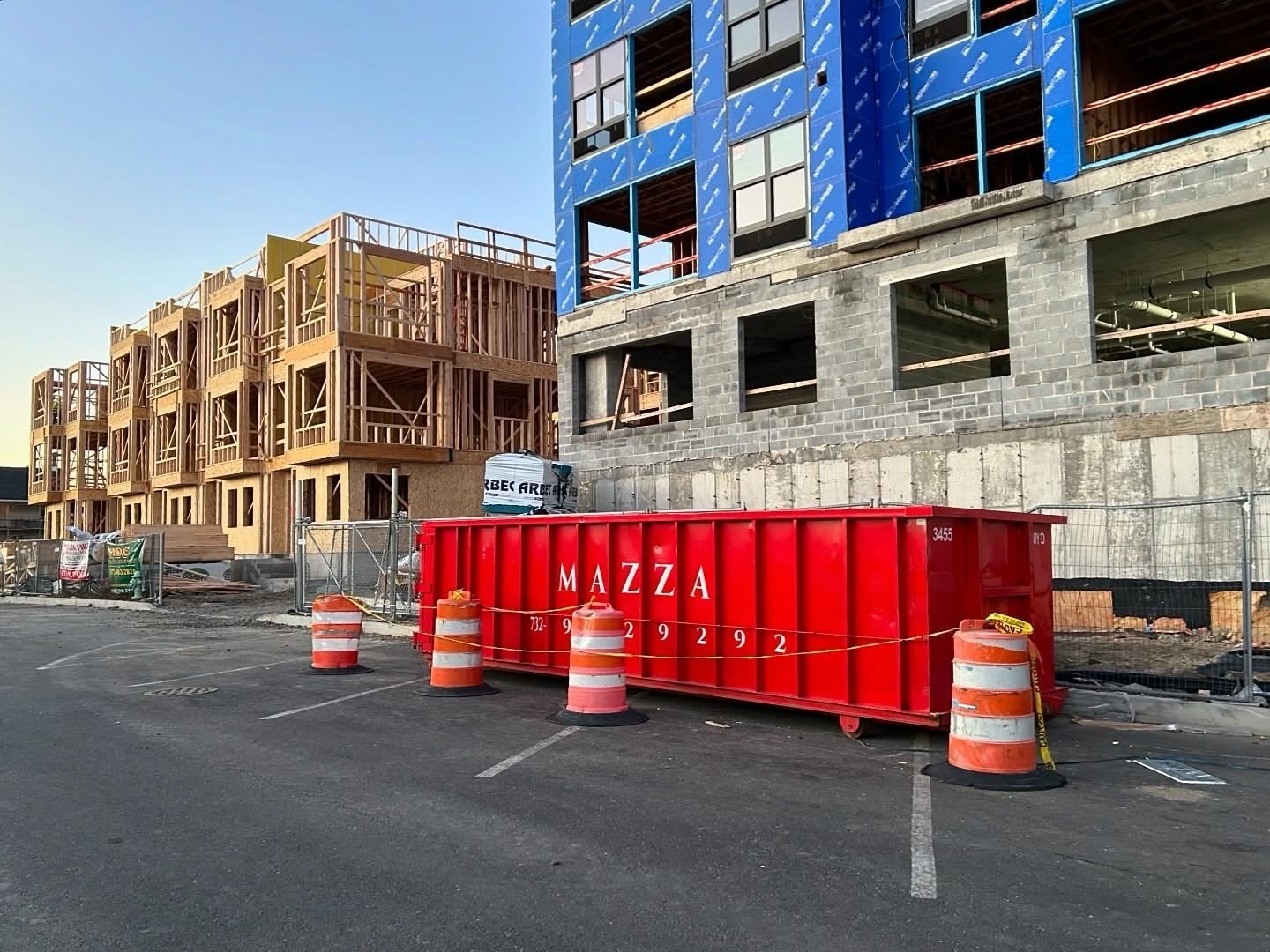
5. Commercial Construction and Demolition (C&D)
On a commercial job site, waste management is not just a matter of convenience—it is a matter of strict safety compliance, budgeting, and efficiency.
| Project Type | Common Materials Generated | Primary Dumpster Benefit |
| New Construction | Drywall scraps, wood framing, siding, pallets, cardboard packaging | Keeps walkways clear, reduces tripping hazards, and maintains site organization. |
| Commercial Remodeling | Metal studs, drop-ceiling tiles, carpeting, old wiring, fixtures | Allows continuous cleanup so multiple trades (plumbers, electricians) can work simultaneously. |
| Large-Scale Demolition | Concrete, brick, structural steel, rebar, asphalt | Essential for hauling away high-tonnage materials to recycling facilities. |
For commercial projects, having a reliable rotation of dumpsters is vital. When one dumpster fills up, a replacement needs to arrive promptly to avoid costly downtime for the construction crew.
6. Sizing Guide: Matching Your Project to the Right Dumpster
Choosing the right dumpster size prevents two common headaches: paying for a massive container you barely fill, or renting a dumpster that is too small and having to pay for a second haul.
- 10-Yard Dumpster: Best for small garage cleanouts, minor bathroom remodels, or small deck removals. It holds roughly 3 single-family truck beds full of waste.
- 20-Yard Dumpster: The ultimate versatile choice. Ideal for full kitchen remodels, extensive basement cleanouts, roofing jobs, and medium-sized yard transformations.
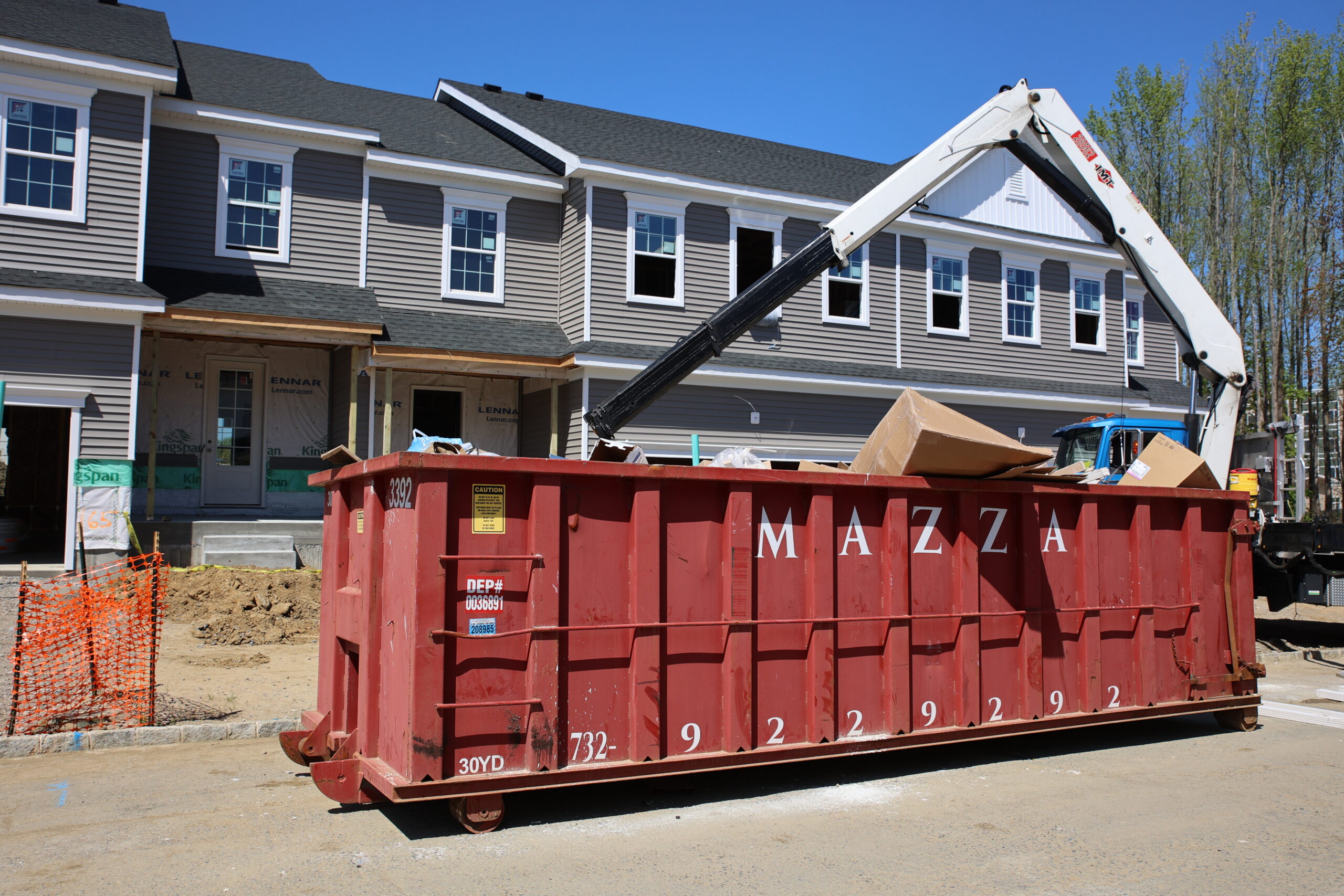
- 30-Yard Dumpster: Designed for major home additions, whole-home estate cleanouts, window or siding replacements on large homes, and commercial fit-outs.
- 40-Yard Dumpster: Reserved for the largest projects, such as commercial construction sites, total building demolitions, or massive community cleanups.
Environmental Responsibility: What Happens to Your Waste?
In the modern world, renting a dumpster shouldn’t mean blindly sending tons of reusable material straight to a landfill. Sustainable waste management is more important than ever. Many materials thrown into a roll-off container—including concrete, wood, metal, cardboard, and even certain plastics—can be sorted, processed, and recycled into new materials.
When planning your next project, choosing a waste disposal partner that prioritizes environmental sustainability can drastically reduce your carbon footprint. By opting for a forward-thinking provider, you ensure that your old concrete walkway might become the base layer for a new road, or your old wooden deck framing gets transformed into mulch or biofuel.
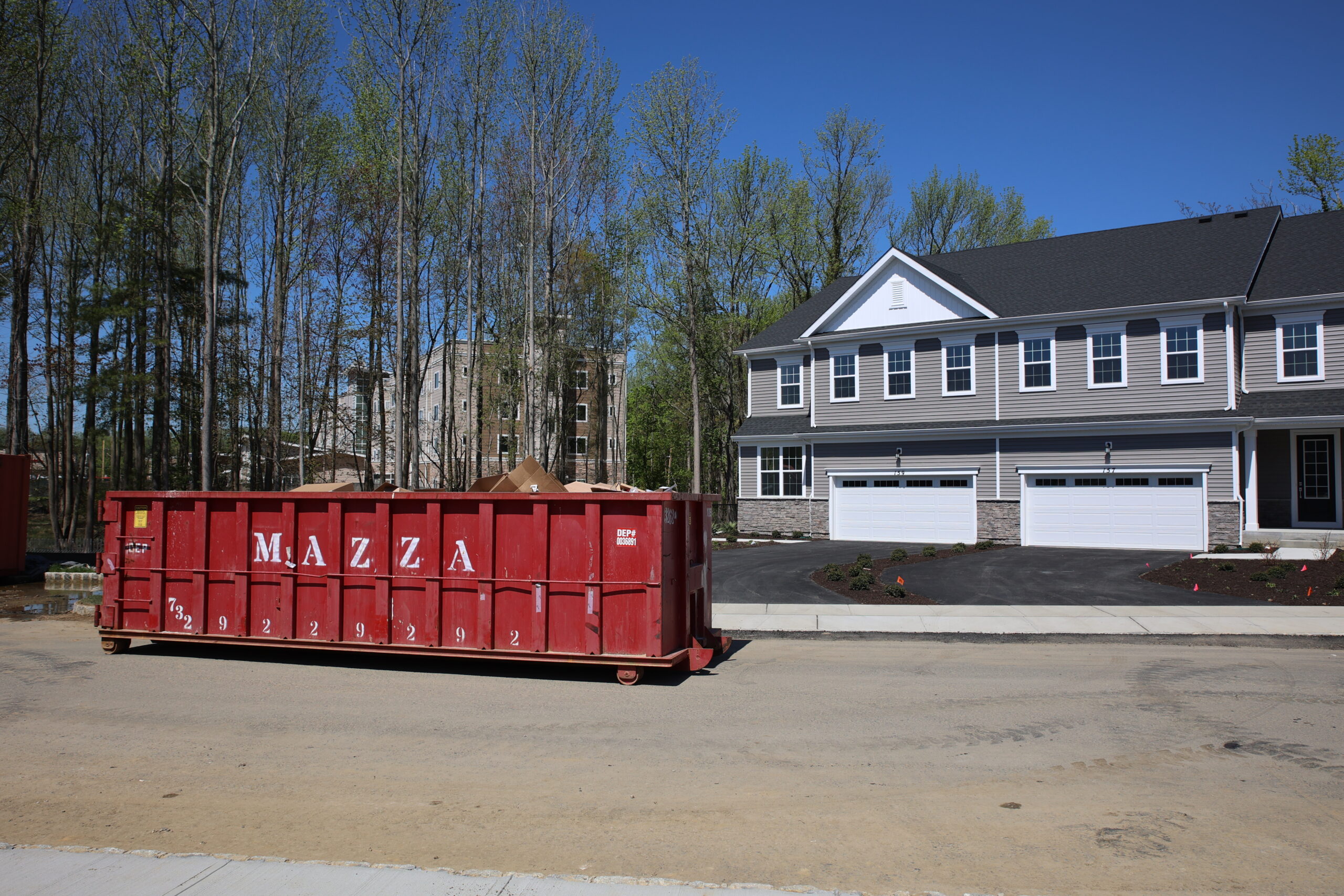
If you are gearing up for a home remodel, clearing out a property, or managing a commercial job site, choosing the right roll-off container is the fastest way to keep your project moving forward without a hitch. For reliable service, eco-conscious sorting, and a wide variety of container sizes tailored to your exact needs, you can easily secure your next roll-off container through a trusted provider like Mazza Recycling. Their team ensures your waste is handled efficiently, safely, and with the environment in mind.
Frequently Asked Questions (FAQ)
What items are not allowed in a roll-off dumpster?
While dumpsters can take most construction and household debris, you cannot dispose of hazardous materials. This includes chemical waste, car batteries, motor oil, asbestos, propane tanks, wet paint, and appliances containing freon (like refrigerators), unless specified by the provider.
Can I park a dumpster on the street?
It depends on your local municipality. Parking a dumpster in your private driveway is usually fine, but placing it on a public street often requires a temporary street permit from your local town hall or public works department.
How full can I fill the dumpster?
You should never fill a dumpster past the top rim. The waste must be level with the edges so the driver can safely tarp the load before driving it on the highway. Overfilled dumpsters are a major safety hazard and may result in the driver refusing to pick up the load until it is leveled off.
Ready to book your dumpster rental? Follow the link here: START DUMPSTER ORDER
Related Posts