When you tackle a major home improvement project, a deep spring cleaning, or a commercial…
In today’s fast-paced commercial and residential environments, responsible waste disposal is no longer just a checkbox regulatory requirement—it is a cornerstone of sustainable community building. Across New Jersey, from the bustling neighborhoods of Monmouth County to the expanding commercial zones of Ocean County, managing waste effectively requires sophisticated infrastructure, diverse service offerings, and a deep understanding of local environmental regulations.
Whether you are a homeowner tackling a major basement cleanout, a contractor managing a fast-tracked commercial construction site, or a municipal leader organizing community-wide collection systems, selecting the right partner for debris and resource recovery shapes your project’s financial and environmental footprint. This comprehensive guide breaks down modern sustainable disposal systems, local roll-off rental logistics, single-stream processing advancements, and the circular economy in the Garden State.
1. Navigating the Logistics of Local Dumpster Rentals
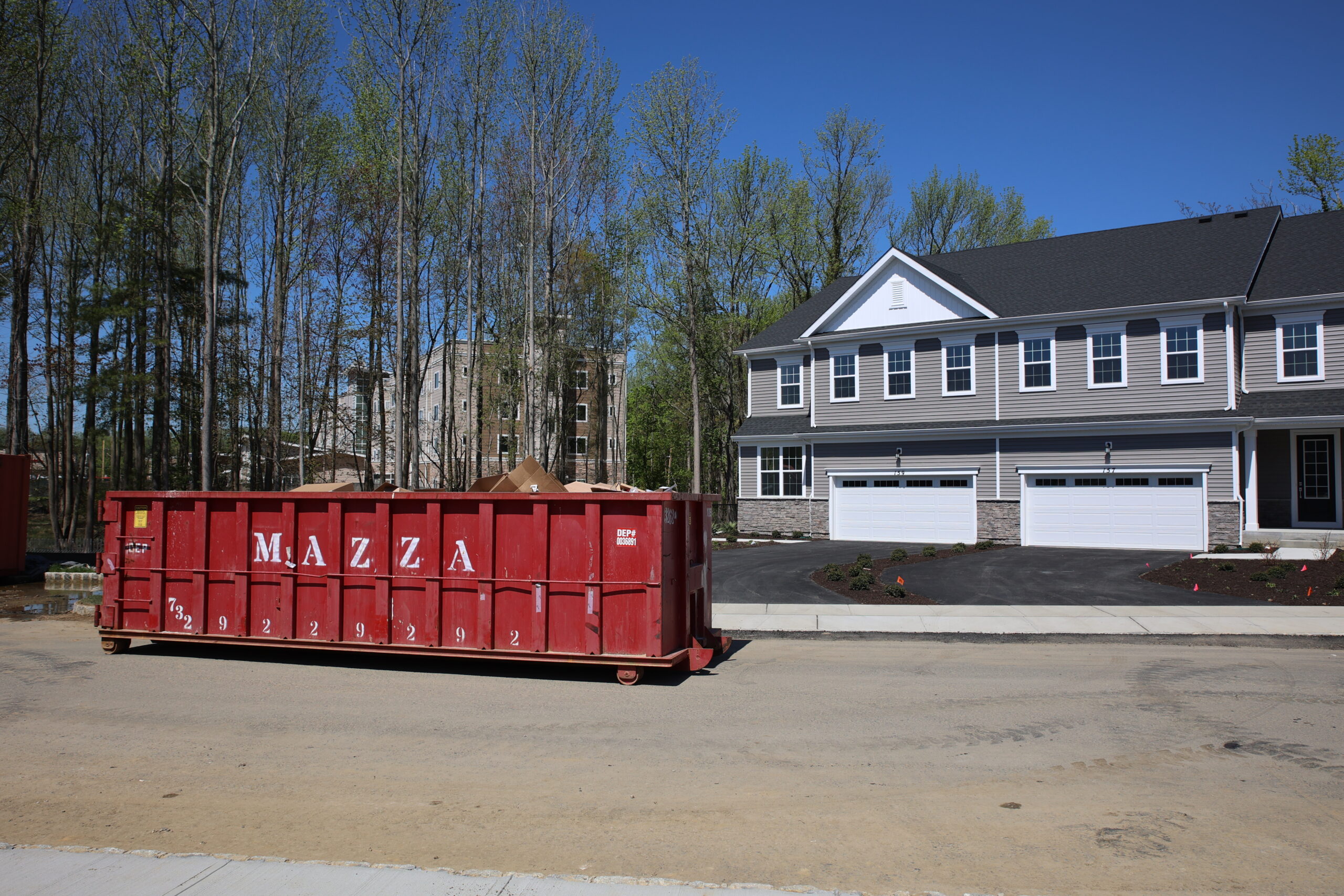
Managing a property renovation, cleanout, or building project inevitably surfaces a primary structural hurdle: containment and disposal of bulk debris. Leaving waste piled in a driveway or parking lot introduces safety liabilities, violates local municipal ordinances, and stalls operational efficiency. Selecting the precise containment framework ensures safety and controls costs.
Choosing the Correct Container Footprint
A common mistake in waste logistics is misjudging the physical volume and weight constraints of construction and demolition (C&D) materials. Standard containers scale across several distinct dimensions:
- 10-Yard Bins: Ideally suited for small-scale residential renovations, minor roofing replacements, or dense materials like asphalt shingles, dirt, concrete, and brick. Their compact footprint fits into tight driveways without blocking essential access pathways.
- 20-Yard Bins: The industry workhorse for mid-sized residential projects, deck removals, and extensive carpet or flooring tear-outs. This size offers an optimal balance between volumetric capacity and physical footprint.
- 30-Yard Bins: Engineered heavily for estate cleanouts, large residential additions, and commercial window or siding replacements.
- 40-Yard Bins: Reserved for industrial clearings, commercial roofing jobs, structural scrap, and massive construction sites generating high-volume, low-density materials.
+-------------------------------------------------------------+
|                TYPICAL DUMPSTER DIMENSIONS                  |
+---------+--------------------+------------------------------+
| Size    | Target Material    | Standard Dimensions          |
+---------+--------------------+------------------------------+
| 10 Yard | Concrete / Dirt    | 10ft L x 8ft W x 3.5ft H     |
| 20 Yard | Home Renovations   | 22ft L x 8ft W x 4.5ft H     |
| 30 Yard | Estate Cleanouts   | 22ft L x 8ft W x 6.0ft H     |
| 40 Yard | Commercial Sites   | 22ft L x 8ft W x 8.0ft H     |
+---------+--------------------+------------------------------+
Strategic Placement and Right-of-Way Access
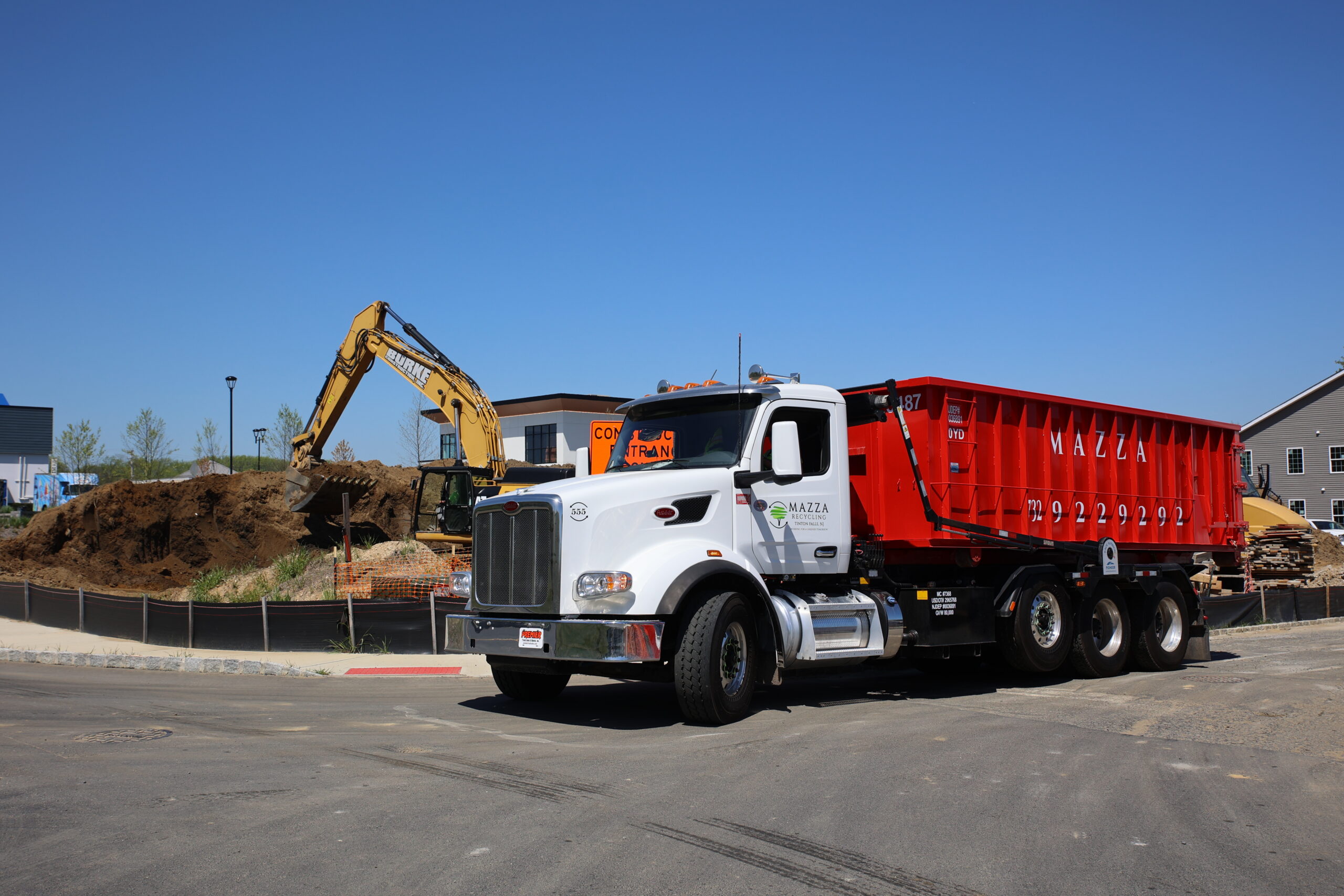
Deploying an industrial container requires careful situational mapping. Drivers maneuvering heavy-duty roll-off trucks require direct overhead clearance, free from low-hanging tree canopy or active utility secondary lines.
Furthermore, placing a container on soft earth or asphalt during peak summer temperatures can result in surface depressions. Professional operators utilize wooden structural planks beneath the steel wheels of the container to distribute the downward mechanical force evenly across the driveway substrate, shielding your property from structural cracking.
2. Overcoming High-Density Obstacles with Mini Container Services
Urban construction projects, boutique commercial storefronts, and densely packed suburban neighborhoods present clear spatial limitations. Standard 22-foot roll-off trucks cannot safely navigate alleys, narrow driveways, or tight commercial loading bays. For these confined spaces, specialized mini-container systems fill the operational gap.
Mazza Recycling
+-------------------------------------------------------+
|              MINI CONTAINER OPERATIONAL BENEFITS       |
+---------------------------+---------------------------+
| Space Optimization        | Fits inside single bays   |
| Surface Protection        | Lower weight-per-axle     |
| Hyper-Local Placement     | Positioned near point-of-  |
|                           | production                |
+---------------------------+---------------------------+
Mini-container trucks feature a lighter curb weight and a shorter wheelbase, allowing them to turn tightly without damaging delicate curbs or clipping surrounding landscaping. Contractors utilize these mini units on historic renovations or tight urban infill developments, positioning the dumpster closer to the structure’s egress window or shoot system to dramatically reduce manually hauling waste across a job site.
3. The Mechanics of Advanced Single-Stream Sorting
The transition from multi-bin sorting to single-stream recycling—where paper, cardboard, glass, plastics, and metals are combined into a single collection vehicle—has substantially elevated community participation rates. However, moving the burden of sorting from the consumer to the processing plant requires complex automated infrastructure.
Modern Materials Recovery Facilities (MRFs) leverage automated sorting systems to process hundreds of tons of mixed materials daily:
- Mechanical Scalping Screens: Huge cascading screen decks separate bulky cardboard from heavy containers based on physical dimensions.
- Air Classifiers: High-velocity air currents lift lightweight fibers and flexible films away from heavy structural plastic, glass, and metal items.
- Optical Sorters: Infrared sensors scan materials moving down high-speed conveyor lines. The system identifies the specific chemical composition of various plastics (such as PET #1 versus HDPE #2) and fires targeted blasts of compressed air to shoot them into designated collection chutes.
- Eddy Current Separators: Alternating magnetic fields induce electrical currents in non-ferrous metals, causing aluminum cans to literally launch away from surrounding plastics and paper into a separate collection area.
[Incoming Single Stream Solids]
               │
               ▼
   [Mechanical Scalping] ───► Bulky Cardboard / Paper
               │
               ▼
     [Air Classification] ───► Lightweight Films / Fibers
               │
               ▼
      [Optical Infrared] ───► PET #1, HDPE #2, PP #5 Plastics
               │
               ▼
   [Eddy Current / Magnets] ───► Steel, Tin, & Aluminum Cans
To support this advanced automation, residents must eliminate wish-cycling—the practice of tossing unrecyclable materials into bins hoping they can be salvaged. Tanglers, such as plastic shopping bags, extension cords, and garden hoses, wind tightly around spinning mechanical screens, forcing facilities to halt operations for manual extraction.
4. Driving Commercial Efficiency Through Waste Audits
For commercial entities, industrial operations, and corporate complexes, waste management represents a direct operational line-item cost that can be systematically optimized. Managing large commercial flows relies on data-driven waste audits.
       Waste Reduction Audit Framework
  ┌────────────────────────────────────────┐
  │ 1. Characterize Volume & Stream Types   │
  └───────────────────┬────────────────────┘
                      ▼
  ┌────────────────────────────────────────┐
  │ 2. Trace Internal Lifecycle Paths      │
  └───────────────────┬────────────────────┘
                      ▼
  ┌────────────────────────────────────────┐
  │ 3. Renegotiate Hauling Configurations  │
  └────────────────────────────────────────┘
A comprehensive audit systematically profiles a business’s waste output over a fixed operational cycle. Auditors categorize waste by weight, volume, and material type, pinpointing exactly where valuable recyclables are slipping into standard trash bins.
By analyzing this data, businesses can replace open top dumpsters with specialized commercial compactors, shrinking collection frequencies from three times weekly to once a month. This optimization significantly lowers carbon emissions from heavy transport vehicles and reduces overall hauling costs.
5. Circular Economy: Transforming Scrap Metal and Wood Waste
True environmental stewardship treats waste as a raw material for secondary manufacturing markets. Diverting construction and industrial debris away from regional landfills drives the local circular economy.
Industrial Ferrous and Non-Ferrous Scrap Metal Recovery
Scrap metal recycling reduces the destructive demand for virgin ore mining. Large scrap yards process structural iron, steel beams, copper piping, and aluminum industrial punchings using heavy industrial shredders and shears. The separated metals are baled and shipped directly to domestic mills and international foundries to be melted down into new raw materials, consuming up to 90% less energy than processing virgin metal components.
Organic Wood Diversion and Landscape Biomass Production
Untreated clean wood waste from pallets, framing timber, land clearing brush, and tree stumps represents a major volume of landfill space that can be entirely avoided.
[Raw Clean Wood Waste] ──► [Industrial Tub Grinder] ──► [Magnetic Metal Separation] ──► [Curing & Dyeing] ──► [Premium Landscape Mulch]
Advanced organic recycling operations process this wood through massive industrial tub grinders. After screening out any nails or hardware magnetically, the wood is refined into clean, aged landscape products, composts, and organic topsoils. This closes the loop locally, transforming demolition debris into essential nutrients for regional landscaping and agricultural applications.
6. Aligning Operations with Regional and New Jersey Environmental Mandates
New Jersey maintains strict environmental protections under the oversight of the New Jersey Department of Environmental Protection (NJDEP). State policies mandate aggressive waste diversion targets for municipalities and commercial entities alike.
+-------------------------------------------------------+
|             KEY NJ REGULATORY COMPLIANCE TARGETS      |
+---------------------------+---------------------------+
| Source-Separation Laws    | Mandatory recycling of    |
|                           | designated materials      |
| NJDEP Facility Licensing  | Strict operational rules  |
|                           | for transfer stations     |
| Clean Communities Program | Public anti-litter and    |
|                           | cleanup grants            |
+---------------------------+---------------------------+
Failing to properly manage hazardous materials, mixing electronics with standard municipal solid waste, or using unlicensed haulers exposes property owners and businesses to severe financial penalties. Working with fully licensed, eco-conscious transfer facilities ensures all your waste is tracked with proper chain-of-custody documentation, keeping your business fully compliant with all state and local environmental laws.
7. Elevating Construction Site Sustainability via LEED Standards
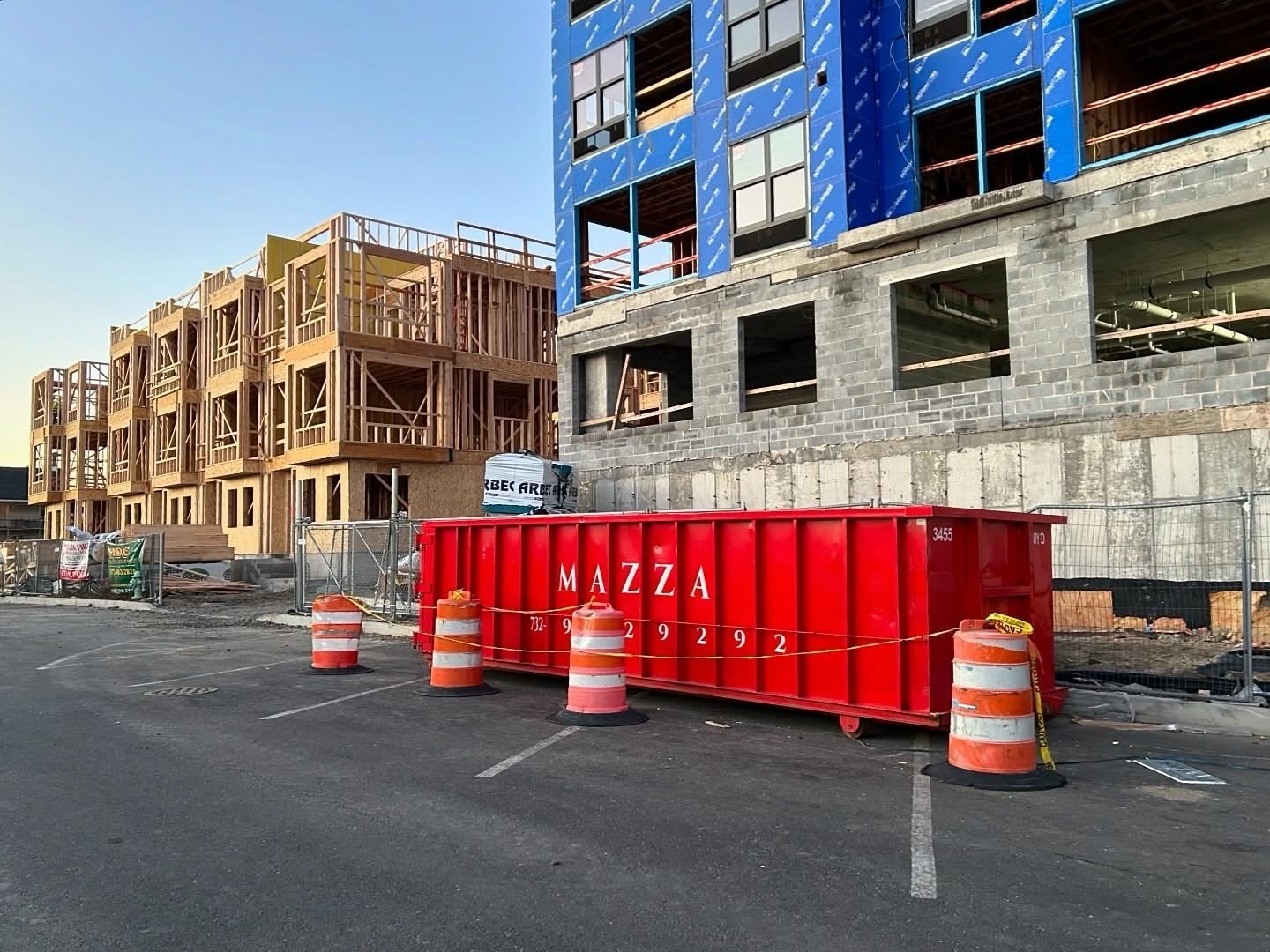
Modern commercial real estate projects often target Leadership in Energy and Environmental Design (LEED) certification. Gaining these critical points depends directly on your waste processing partner’s ability to divert construction and demolition debris away from the landfill.
To claim these points, your waste management partner must provide meticulous, verifiable weight documentation showing the exact percentage of concrete, wood, drywall, and metal salvaged from your job site. Partnering with a high-recovery facility lets developers hit their green building targets while cutting down on overall tipping fees.
8. Partnering for a Greener Tomorrow
Implementing sustainable disposal practices keeps your job sites running smoothly while directly reducing your community’s carbon footprint. From custom-sized commercial compactors to advanced residential single-stream recycling programs, every smart choice builds a cleaner, more resilient region.
If your business or upcoming project requires efficient roll-off dumpster rentals, comprehensive commercial collection programs, or high-recovery sorting capabilities, choosing a dedicated regional expert ensures total compliance and reliable performance. For residential, commercial, and industrial projects throughout Tinton Falls, Neptune, and the surrounding New Jersey communities, explore professional environmental services and order customized equipment from the team at Mazza Recycling to build your tailored waste management solution today.
Ready to book your dumpster rental? Follow the link here: START DUMPSTER ORDER
Related Posts